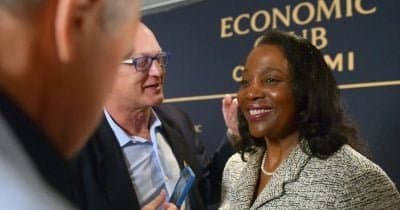
The Federal Reserve’s latest meeting ended with a 9-3 vote to keep interest rates steady between 3.50% and 3.75%. Neel Kashkari, a Minneapolis Fed leader, stood out by dissenting and pushing for a 0.25% rate increase.
Kashkari pointed to ongoing supply shocks as a key driver of inflation that remains stubbornly above the Fed’s 2% target. His call for tighter monetary policy highlights a split within the Federal Open Market Committee on how aggressively to fight inflation caused by disrupted supply chains.
Markets took note of his stance, shifting expectations toward a probable rate hike at the October 2026 meeting. Interest rate futures now price in a higher chance of that 25 basis point increase, signaling traders’ growing concerns over persistent inflation.
Investors and economists alike are watching upcoming inflation data closely, especially the Consumer Price Index and Personal Consumption Expenditures reports. Any hawkish signals from Fed Chair Jerome Powell or other committee members will also be under scrutiny as they could tip the scales toward tighter policy.
Global energy market developments remain another critical factor. Rising energy costs could worsen supply shocks, pushing inflation even higher and making rate hikes more likely.
This debate echoes recent moves by other Fed officials like Beth Hammack’s push for a quarter-point hike amid inflation pressures. As the Fed balances inflation risks with economic growth, Kashkari’s dissent reveals fault lines in policy strategy that will shape monetary decisions in the months ahead.
This material is informational and not financial advice.