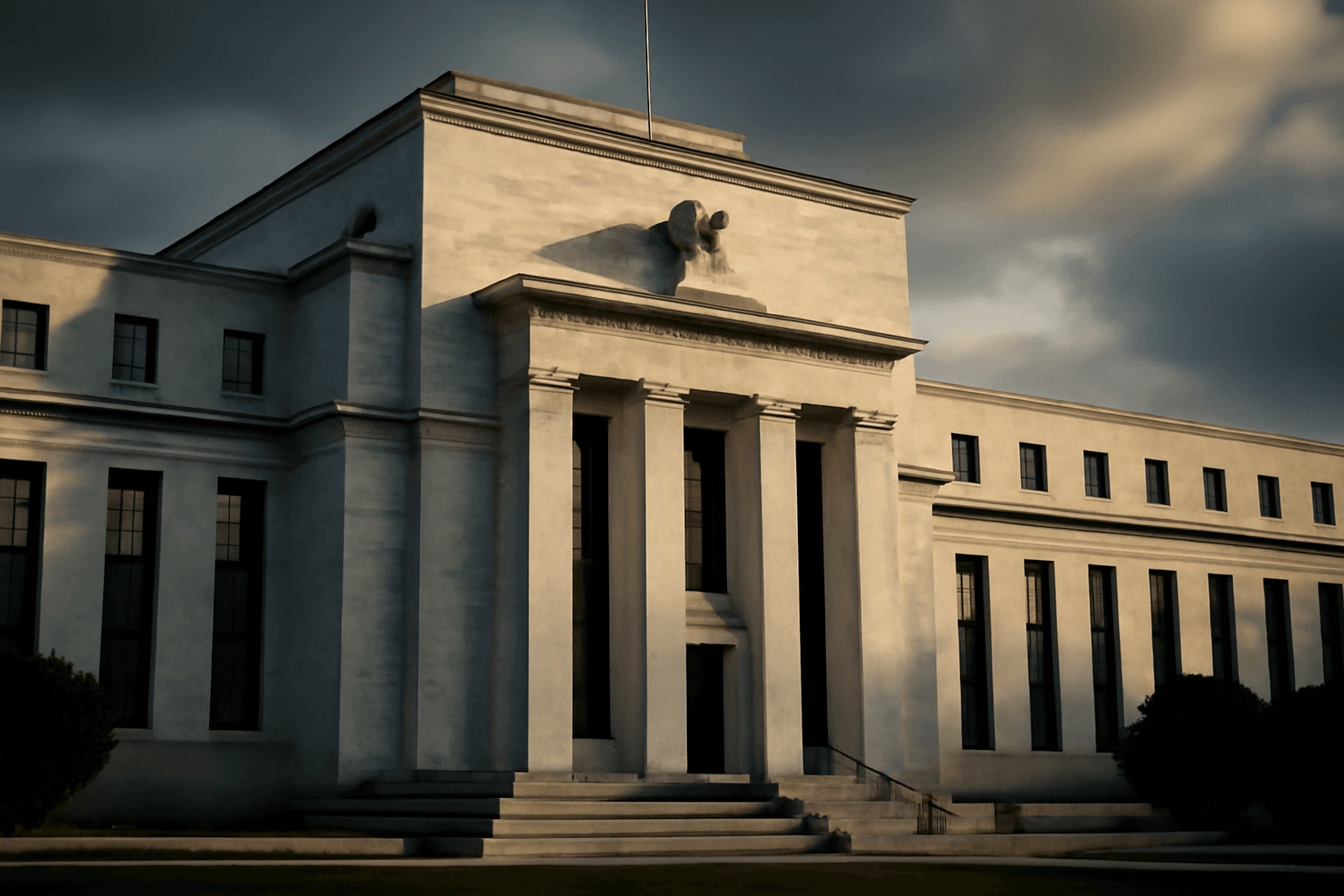
The Federal Reserve is poised to keep interest rates steady between 3.50% and 3.75% at its July 28-29 meeting, marking the fifth straight pause. This comes even as concerns linger over inflationary pressures fueled by AI investments, tariffs, and energy market volatility.
Why the Fed is Holding Rates Now
Despite June’s cooler inflation numbers, the Fed is focusing on factors that could reignite price pressures down the line. AI-driven capital spending is a major concern. Hyperscale tech firms alone are expected to drop $720 to $750 billion this year on semiconductors, data centers, and electricity expenses, creating potential ripple effects on costs.
Meanwhile, tariffs introduced in 2025 continue influencing prices, gradually pushing up core inflation measures. Geopolitical tensions in the Middle East have also driven oil prices over $100 a barrel earlier this year, adding uncertainty. These energy shocks could cause second-round inflation effects if disruptions persist.
Market Odds and What to Watch Next
Current market data from CME FedWatch indicates about a 63% to 65% chance the Fed will maintain rates, but the probability of a 25 basis point hike is climbing, now around 35% to 37%. The Fed’s cautious stance leaves the door open for future increases if inflation doesn’t ease as expected.
- Interest rates held stable since December 2025
- AI spending and tariffs seen as key inflation drivers
- Energy market risks remain volatile due to geopolitical issues
The Fed’s approach contrasts with the recent Morgan Stanley launch of Ethereum and Solana ETPs, showing how economic policy and innovation sectors intersect amid changing markets.
This material is for informational purposes only and does not constitute financial advice.