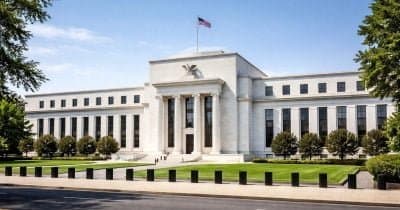
The Federal Reserve’s pullback from clear forward guidance is rattling the U.S. bond market. Investors are struggling to predict where Treasury yields will head next as the Fed opts for a hands-off stance, sometimes called “benign neglect.” Since the start of 2026, long-term yields have climbed noticeably the 2-year note rose 60 basis points, while the 10-year gained 35. This subtle tightening comes despite the Fed holding its federal funds rate steady between 3.50% and 3.75% for several months.
Market participants have become increasingly sensitive to every hint from the Fed, trying to decode the future path of interest rates. Prediction markets reveal a tug-of-war among investors, with nearly 45% now betting on the Fed maintaining its current pause through the next three meetings a jump from just 32% a day earlier. Meanwhile, over half expect the Fed to break that pause and shift its policy stance, showing how volatile expectations have become.
Uncertain Signals Fuel Market Volatility
Fed communications have grown more opaque, leaving traders without the clear roadmap they once relied on. This uncertainty feeds into bond yields, pushing them higher as investors demand a premium for the risk of unexpected moves. The divergence between short-term and long-term Treasury yields reflects this uneasy sentiment, complicating financial planning for borrowers and investors alike.
With inflation pressures and economic growth data fluctuating, the Fed’s hesitation to provide explicit guidance keeps markets on edge. These dynamics echo patterns seen in other sectors where companies navigate unclear regulatory environments, similar to how stocks tied to Bitcoin mining and AI have reacted amid hedge fund shifts. Traders and policymakers will be watching upcoming Fed statements closely for any clues that hint at a new direction.
This article is for informational purposes only and does not constitute financial advice.