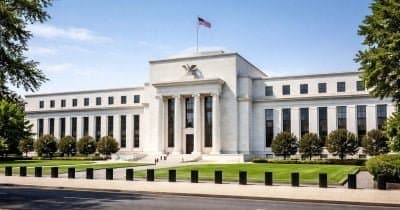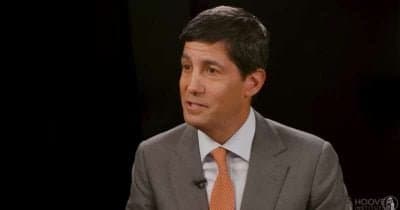
The Federal Reserve’s upcoming policy meeting has investors on edge, as Chair Kevin Warsh deliberately embraces uncertainty. Instead of clear guidance, Warsh has adopted what he calls "constructive ambiguity," leaving markets uncertain about a potential rate hike. Currently, the federal funds rate sits at 3.5% to 3.75%, with markets assigning roughly a 33% chance that rates will rise at the July 28-29 Federal Open Market Committee meeting.
Warsh’s Shift Away from Forward Guidance
Warsh’s strategy marks a distinct break from the Fed’s post-2008 approach of signaling rate moves well in advance. His philosophy hinges on flexibility, relying heavily on incoming data rather than pre-committing to a specific path. At his first FOMC meeting as chair in June 2026, the central bank kept rates steady. However, internal disagreement was apparent, with Warsh likening the debates to a "family fight." The usual detailed policy statements were replaced by a much shorter version, removing language that previously helped markets interpret the Fed’s intentions.
Persistent Inflation and Its Ripple Effects
Underlying the Fed’s cautious stance is core inflation that has stubbornly hovered around 3.8% year-over-year, far above the 2% target. Warsh has made it clear he won’t tolerate sustained inflation above the target, signaling a readiness to act if needed. Meanwhile, the Fed’s balance sheet remains elevated at over $6.5 trillion. This large footprint means that ongoing quantitative tightening is quietly extracting liquidity from markets, adding pressure to financial conditions.
Warsh’s posture toward crypto is nuanced. He recognizes Bitcoin’s innovation and generally supports the sector’s potential, yet firmly rules out any Fed intervention to rescue crypto assets or stablecoins during crises. This stance matters given regulatory shifts like the GENIUS Act, which are reshaping how digital assets interface with traditional finance.
The uncertainty fueled by Warsh’s approach and visible FOMC divisions creates a more volatile environment, particularly for investors in sensitive markets. Unlike a year ago, when rate hikes seemed off the table, today the possibility of further tightening is real and priced in by a growing segment of the market.