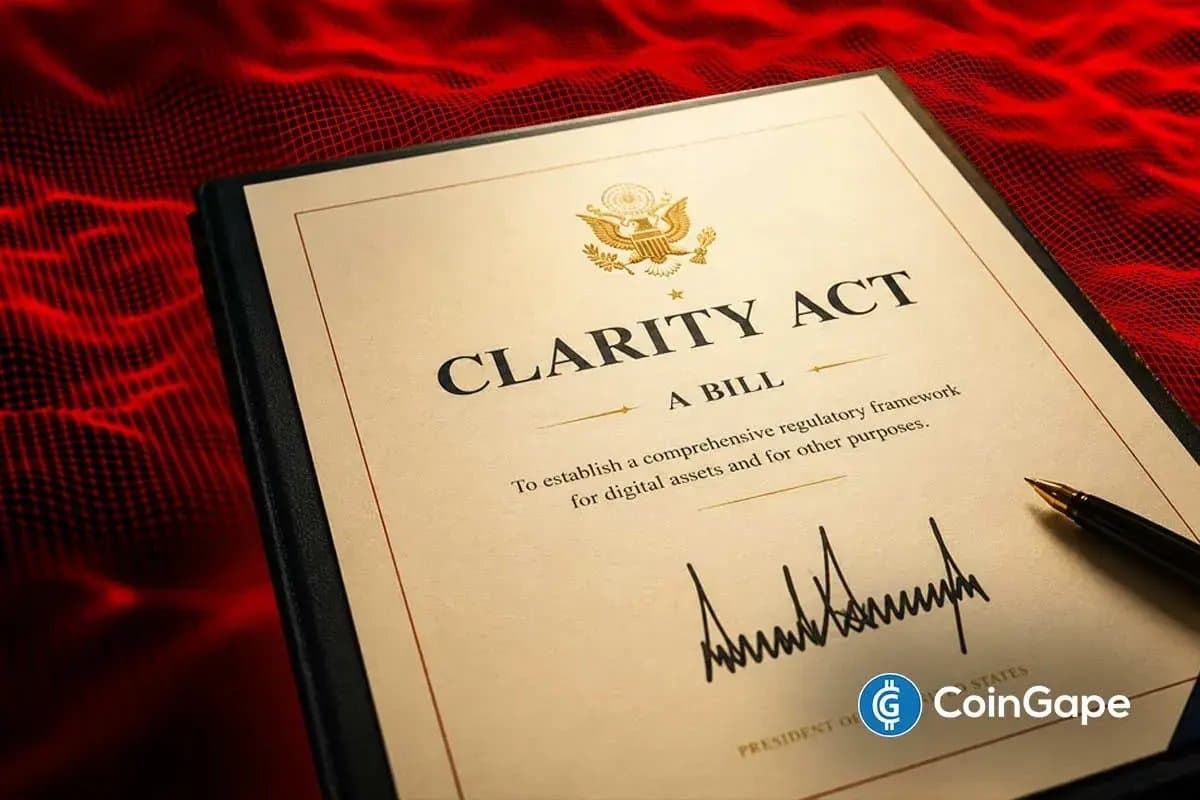
The CLARITY Act, aiming to establish clearer crypto regulations, faces steep hurdles that analysts say will prevent its passage in 2026. Despite ongoing debates, several structural and political challenges stand in its way.
Market observers point to three key reasons undermining its success. First, the complex political landscape makes bipartisan support unlikely. Lawmakers remain divided on how to balance innovation with consumer protection. Second, regulatory overlap between agencies creates confusion over jurisdiction, slowing down consensus. Third, industry lobbying favors more fragmented, state-level rules over full federal legislation, diluting momentum.
Regulatory and Market Implications
The consequences extend beyond policymaking. Without federal clarity, businesses face ongoing legal uncertainty, affecting investor confidence and innovation pace. According to recent analysis, over 60% of crypto startups expressed hesitation due to the lack of clear federal guidelines. This hesitancy could stunt growth across the sector, especially at a time when digital assets are gaining traction. These dynamics contrast sharply with the push from major financial players for standardized rules, as seen in moves like Wall Street support for new crypto regulation.
This content is for informational purposes only and is not financial advice.