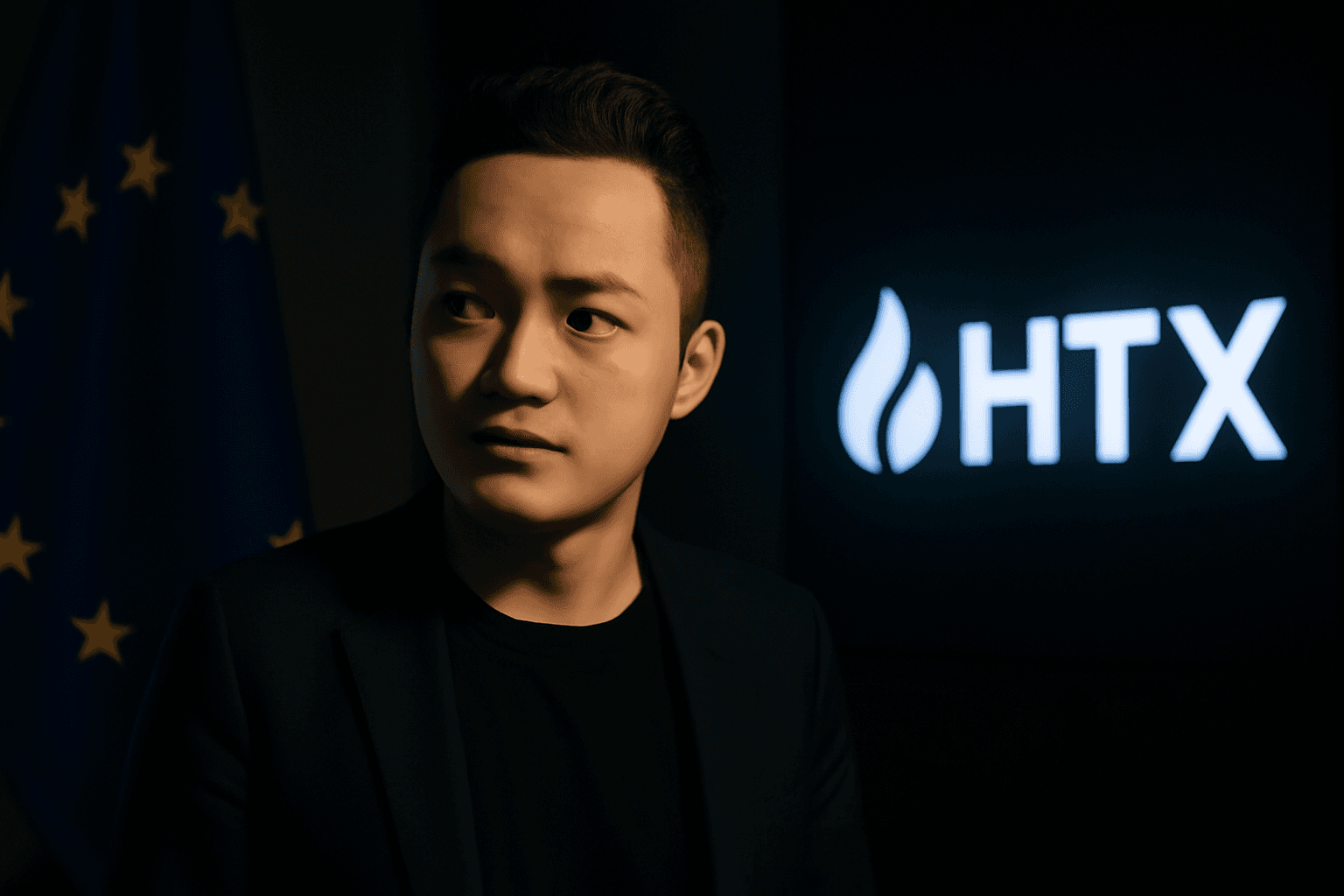
The European Union has added HTX, a crypto platform tied to Justin Sun, to its list of entities accused of helping Russians dodge financial sanctions. This move comes as part of the EU's latest effort to clamp down on firms facilitating Russia’s evasion of international restrictions.
HTX, which started as Huobi before rebranding, faces transaction restrictions but is not subject to an asset freeze at this stage. The EU’s announcement followed a package of sanctions adopted on Thursday and published on Friday, marking the bloc’s 21st sanctions round related to the conflict in Ukraine.
The sanctions target a broad range of sectors including banks, crypto networks, oil traders, and vessels connected to Russia’s so-called shadow fleet. Among the crypto platforms named, HTX stands out due to its high profile and links to Justin Sun, founder of Tron, who took a controlling interest in the company in 2022. The company currently describes Sun as an adviser.
EU officials clarified that 18 crypto firms were listed publicly, but transaction restrictions were extended to 14 platforms operating from countries like Georgia, Panama, the UAE, and Belarus. This distinction arises from how the EU categorizes entities and their associated platforms.
Unlike a full sanctions designation, HTX’s assets will not be frozen, but the exchange is now under transaction controls intended to disrupt financial flows used by Russia to circumvent existing sanctions. For the first time, the EU introduced a tool allowing it to block dealings with crypto providers in third countries if they are found assisting Russia's sanction evasion efforts.
HTX had previously become a target of UK sanctions on May 26, when British authorities imposed asset freezes and barred local companies from processing payments involving HTX’s Panama-based parent company. These UK measures stemmed from allegations that HTX provided services to Russian-linked payment networks and exchanges already under sanction.
The ongoing crackdown adds to the regulatory hurdles faced by major crypto exchanges globally, highlighting increasing government scrutiny on platforms operating in jurisdictions used by sanctioned entities. This development follows other notable regulatory movements, including shifts in crypto investment interest as seen in rising Bitcoin ETF inflows amid changing market trends.