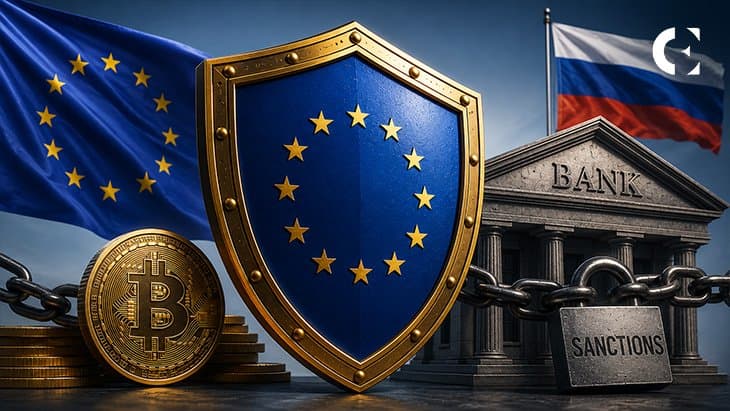
On July 23, 2026, the European Union rolled out its 21st sanctions package targeting Russia, aiming at a range of sectors including financial services, crypto platforms, energy firms, and military suppliers. This wave introduces a new crypto ban tool that intensifies restrictions on digital asset services, signaling a sharper focus on cutting off Russia’s access to emerging financial technologies.
The sanctions expanded the EU's blacklist with 218 individuals and entities, the largest addition in four years. Among these are 14 crypto service providers now blocked from operating within the EU’s jurisdiction. This shift shows how the bloc views cryptocurrency as a potential channel for evading traditional financial sanctions.
Crypto Restrictions Take Center Stage
With the rise of digital currencies, the EU is now enforcing tighter controls to prevent illicit financial flows. By including crypto platforms explicitly, the sanctions mix old-school economic pressure with modern tools designed to bypass them.
These measures come amid growing concerns about how Russia might use crypto to soften the blow of other sanctions. The new approach could influence similar moves elsewhere, affecting markets and service providers globally. This development echoes previous regulatory actions seen in other regions, such as Massachusetts proposing bans on crypto ATMs following major scam losses.
As the EU sharpens its regulatory toolkit, the impact on crypto service providers worldwide will likely be significant. Blocking access to these 14 entities might compel others to reassess compliance, especially as the crypto sector’s role in global finance continues to expand.
This material is for informational purposes only and does not constitute financial advice.