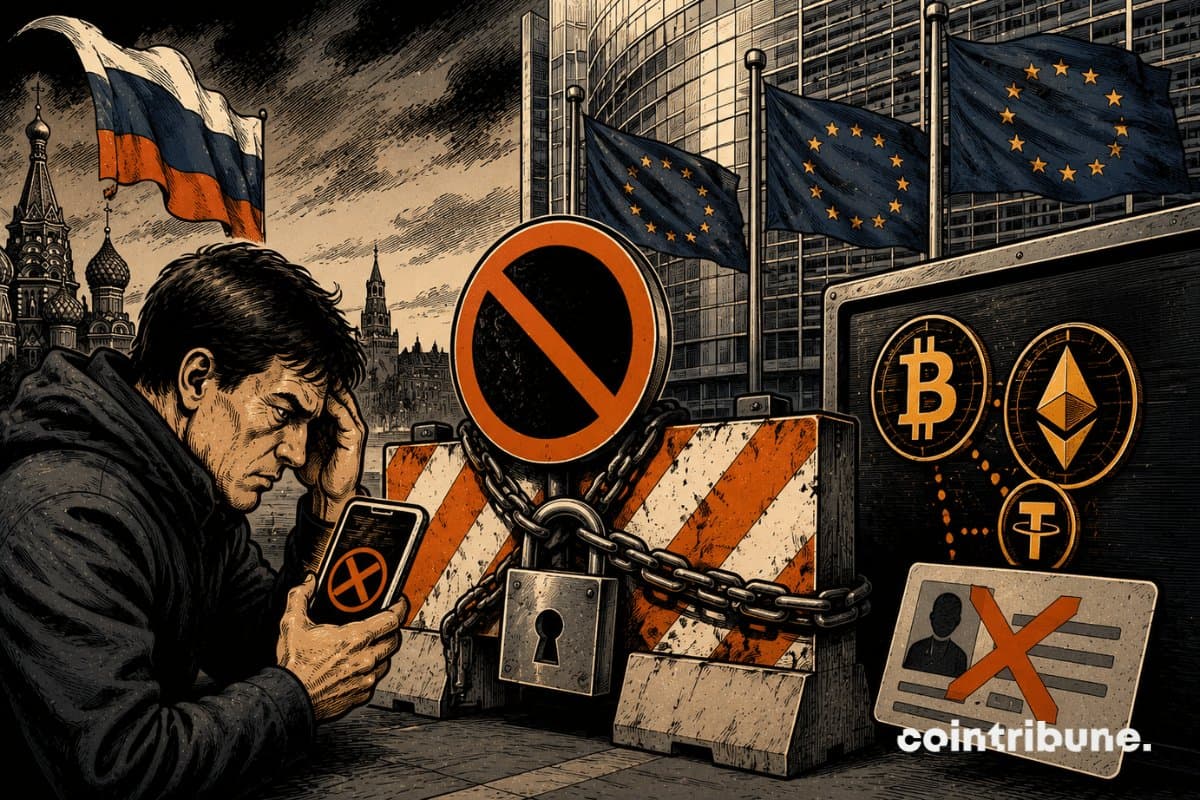
The European Union has ratified a new wave of sanctions targeting crypto and Web3 services, aiming to close loopholes used to bypass traditional financial restrictions on Russia. This marks a significant shift in how Brussels employs financial measures in geopolitical conflicts, zeroing in on digital currency platforms as part of its strategy.
Key Components of the EU’s Sanction Package
The 21st set of sanctions against Russia includes sweeping actions:
- Blocking 11 crypto platforms, mostly operating outside Russian borders;
- Imposing sanctions on 94 Russian banks and the Moscow Exchange;
- Restricting the so-called “ghost fleet” of ships;
- Maintaining a crude oil price cap at $44.10 per barrel for a full year.
Among these, the crypto measures stand out for their unprecedented scope, as Brussels gains the authority to ban crypto service providers even if they operate beyond EU territory. This step reflects frustration with previous ineffective sanctions. For example, the exchange Garantex was sanctioned in 2022 by the US and again by the EU in early 2025, but quickly resurfaced under a new name, Grinex, illustrating the challenge of shutting down evasive channels.
The scale of these parallel crypto networks is vast. The A7A5 token, mentioned in EU reports, handled over $100 billion in a single year, highlighting how digital assets have become a major avenue for financial flows circumventing sanctions.
Industry and Political Reactions
Kaja Kallas, the EU High Representative for Foreign Affairs and Security Policy, emphasized the impact of these sanctions on Moscow's war economy, stating that the measures target the military-industrial complex and energy sector to hit Russia where it counts.
Crypto exchanges within Europe are now facing tighter controls under the Markets in Crypto-Assets (MiCA) framework. While holding Bitcoin remains legal, centralized platforms must comply with stricter regulations, resulting in account freezes, transaction delays, and rising fees for users.
These sanctions complicate operations for crypto companies, forcing them to implement more rigorous know-your-customer (KYC) checks and enhance transaction monitoring to avoid penalties. The move is set to reshape how exchanges handle compliance and risk management.
Brussels’ approach echoes similar efforts elsewhere but expands the EU’s toolkit, signaling increased scrutiny of decentralized finance channels used for sanction evasion. This development follows broader trends where regulators grow wary of the role crypto plays in geopolitical tensions.
Russians withdrawing vast cash amounts and alternative financial flows have raised alarms, pushing authorities to explore digital asset avenues more aggressively.