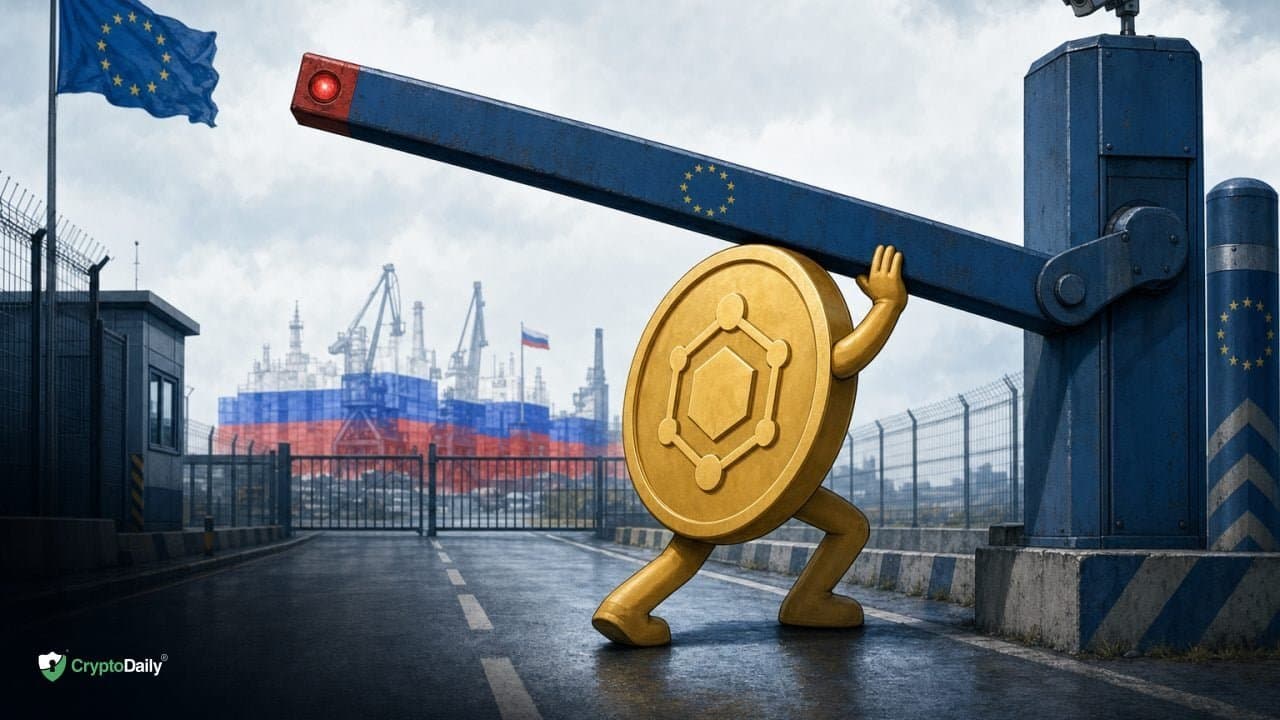
On July 23, 2026, the European Union rolled out its 21st sanctions package targeting Russia, this time hitting the crypto sector directly. The new measures include a transaction ban on 14 crypto service platforms spanning six countries, including Georgia, Panama, UAE, Marshall Islands, Kyrgyzstan, and Belarus.
The package adds 218 entities to the blacklist, comprising 48 individuals and 170 organizations. Crypto-related platforms are explicitly named, requiring all EU companies and individuals to cease dealings with them. this is the first time the EU introduced a legal tool allowing a complete ban on crypto-asset services from third countries if deemed necessary.
Among the affected are firms like HTX (formerly HUOBI GLOBAL SA) and EXMO Ltd, with sanctions effective starting August 2026. The official documentation, Regulation (EU) 2026/1848, details the updated annexes and exact implementation dates, serving as a critical reference for compliance teams preparing for the transition.
The sanctions also target the A7 payments network by freezing four associated assets, increasing risks for intermediaries handling cross-border crypto flows. This move is expected to cause volatility in spreads and rerouting of liquidity corridors as market participants adjust.
Compliance Challenges Ahead
Earlier this year, European operators had already begun tightening controls owing to concerns about unclear ownership and opaque aggregator routes. Banks started demanding proof of sanctions compliance beyond policy statements, complicating transactions. These prior adjustments somewhat softened the impact of the latest package, but firms still face significant operational changes.
Crypto desks and exchanges must urgently update workflows and block listed entities to comply before sanctions kick in. Those involved in cross-border liquidity should anticipate shifts in market dynamics and prepare for wider spreads and alternative routing.