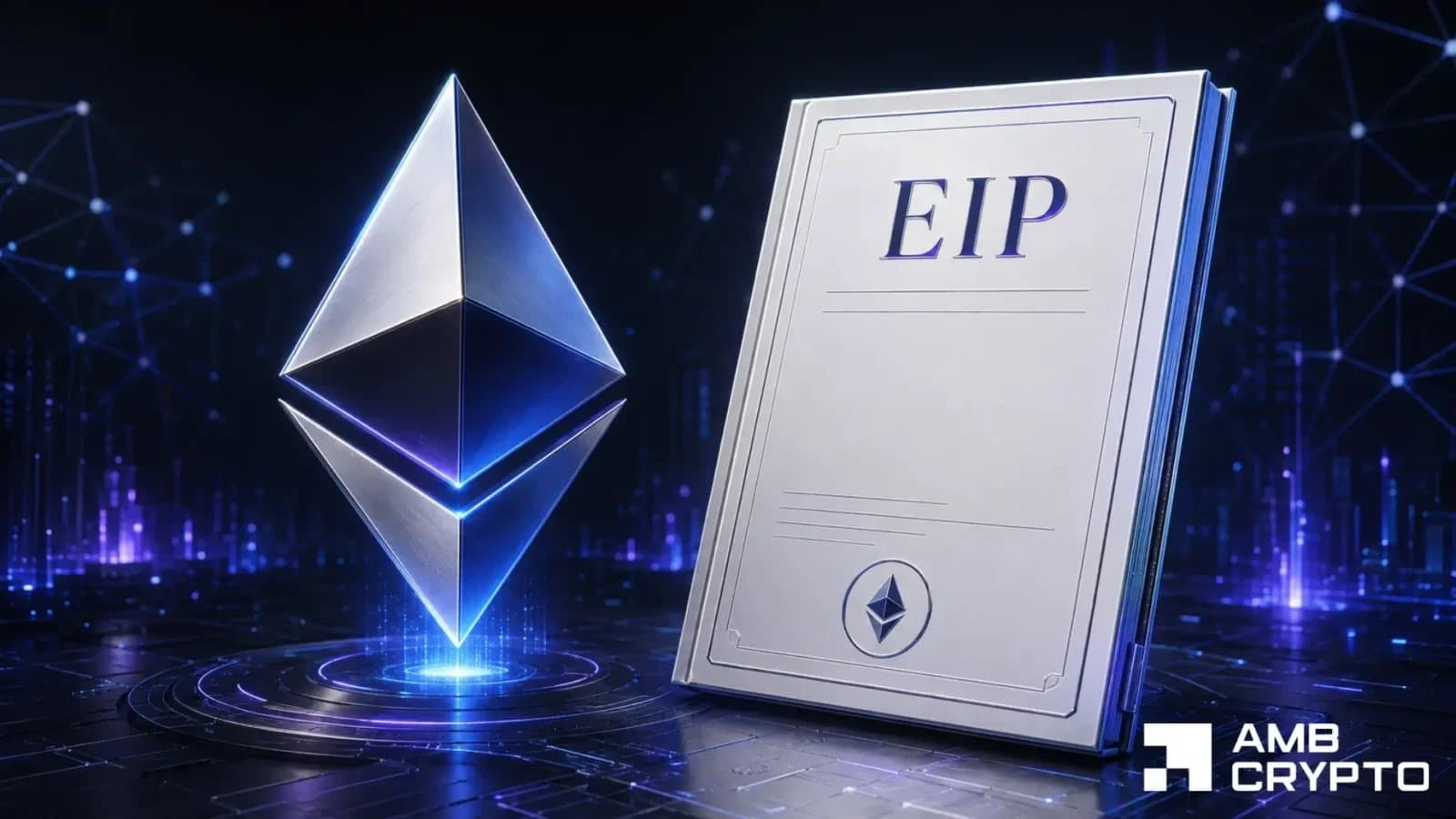
Ethereum researchers just dropped a proposal that flips the staking model on its head. EIP-8361, filed August 4, introduces a burn mechanism that torches validator rewards as more ETH gets locked up. Once the network hits 50% staked, consensus-layer issuance flatlines to zero.
The mechanism works like a linear throttle. Currently 41.4 million ETH sits staked, roughly 33-34% of supply. Under EIP-8361, that yields about 1.2% net returns to stakers, down sharply from the recent 2.6% average. Hit 50% staking ratio, and the burn kicks into full gear. Justin Drake from the Ethereum Foundation authored the proposal alongside other community members, and it comes with an 18-month rollout window to phase in the changes gradually.
Why now
Layer-2 networks like Arbitrum, Optimism, and Base have siphoned off transaction volume, which means less fee burn on Ethereum mainnet. That's softened ETH's deflationary story since the Merge. The new burn mechanism extends the deflationary logic from EIP-1559 directly to staking, making it a policy tool instead of a market accident.
Concentration risk looms larger now. When staking yields stay juicy, liquid staking platforms and big operators scoop up deposits faster, concentrating validator power in fewer hands. The proposal essentially sets a circuit breaker before that becomes irreversible. If staking remains profitable no matter how much ETH locks up, rational actors keep depositing indefinitely. Ethereum ends up overpaying for security it already has, diluting everyone else's holdings.
The burn math
Drake's framework scales linearly from current ratio up to the 50% threshold. At 41.4% staked today, stakers pocket 1.2% yields. Cross 50%, and all new consensus rewards evaporate into the burn. The transition unfolds over 18 months, giving the market time to adjust positions without shock.
- Current staked ETH: 41.4 million (33-34% of supply)
- Current yield: 2.6% average, drops to 1.2% under proposal
- Target threshold: 50% staked triggers zero net issuance
- Rollout window: 18 months
This article provides factual information about the Ethereum proposal and network mechanics. It is not financial advice. Staking involves technical and economic risks, and you should conduct your own research before participating.