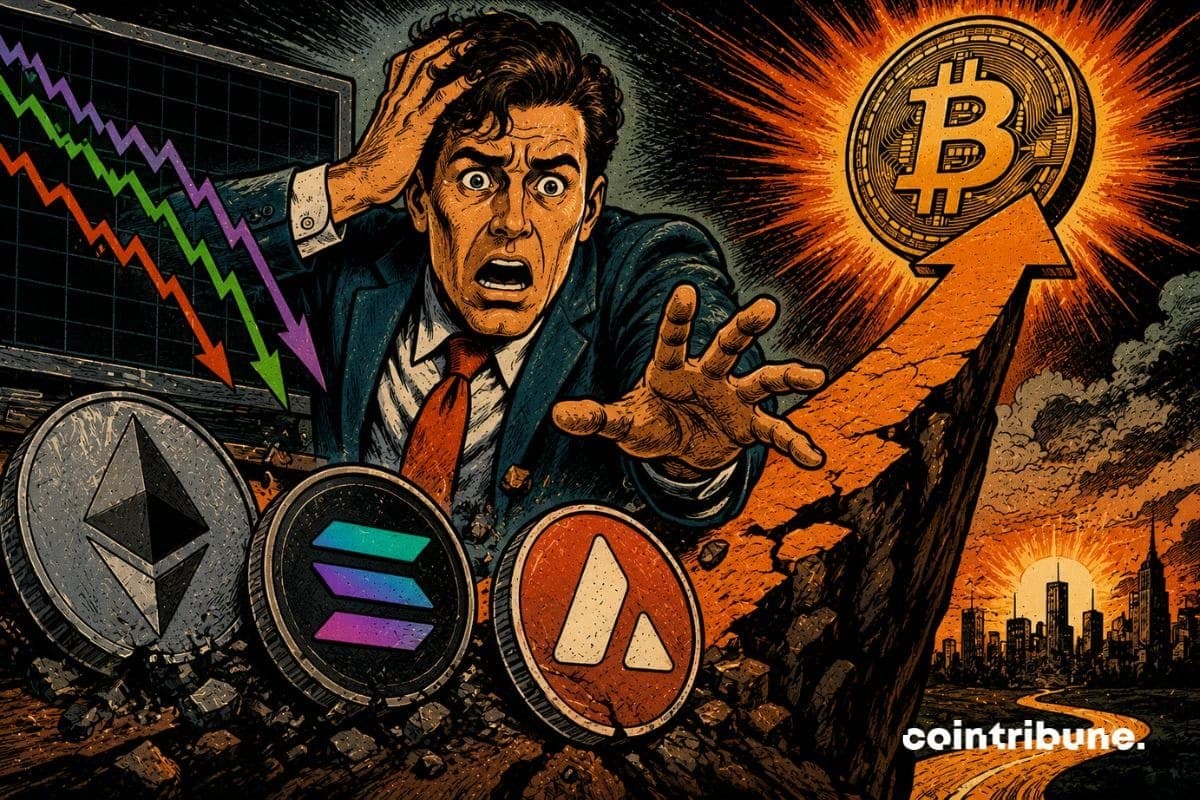
The blockchain networks Ethereum, Solana, and Avalanche are handling more transactions than ever, with fees plunging dramatically. Yet, their native tokens are losing over half their value within a year. What’s causing this puzzling disconnect between usage and price?
Transaction Boom and Cost Drop
Ethereum’s transaction count jumped 68% year-over-year, reaching nearly 204 million in Q2 2026. Solana and Avalanche are also surging, with some periods showing their transaction volumes doubling or even increasing tenfold. Meanwhile, transaction fees have fallen sharply. Solana’s average fee dropped from 3 cents to half a cent, and Ethereum cut costs from $1.08 to just 31 cents after the Dencun upgrade optimized Layer 2 data handling. Avalanche expanded its ecosystem through scalable subnets, further fueling activity.
Behind these gains lie major technical upgrades: Ethereum’s Dencun upgrade, Solana’s Firedancer client boosting throughput, and Avalanche’s subnet strategy all contributed to this wave of growth. But this progress hides a downside. Validator earnings, mainly derived from transaction fees and token rewards, are shrinking as fees collapse. With less income, validators face diminishing incentives, raising concerns among investors.
Why Prices Keep Falling Despite Network Growth
The core problem is that rising activity hasn’t lifted token prices. Since July 2025, Ethereum’s price has dropped more than 50%, Solana by 53%, and Avalanche by 58%. Several issues explain this slide. Token inflation plays a major role: staking rewards mostly come from new token issuance, which increases circulating supply and dilutes value. Meanwhile, competition from Layer 2 solutions eats into Ethereum’s demand, and the shrinking validator revenue undermines confidence.
The paradox is striking networks operate at full throttle, transaction costs plummet, yet investors see their holdings lose substantial value. This dynamic complicates the narrative of adoption automatically driving prices up. As crypto markets remain volatile, the fundamental question is whether these blockchains can convert technical success into long-term price stability.
This content is for informational purposes and does not constitute financial advice.


