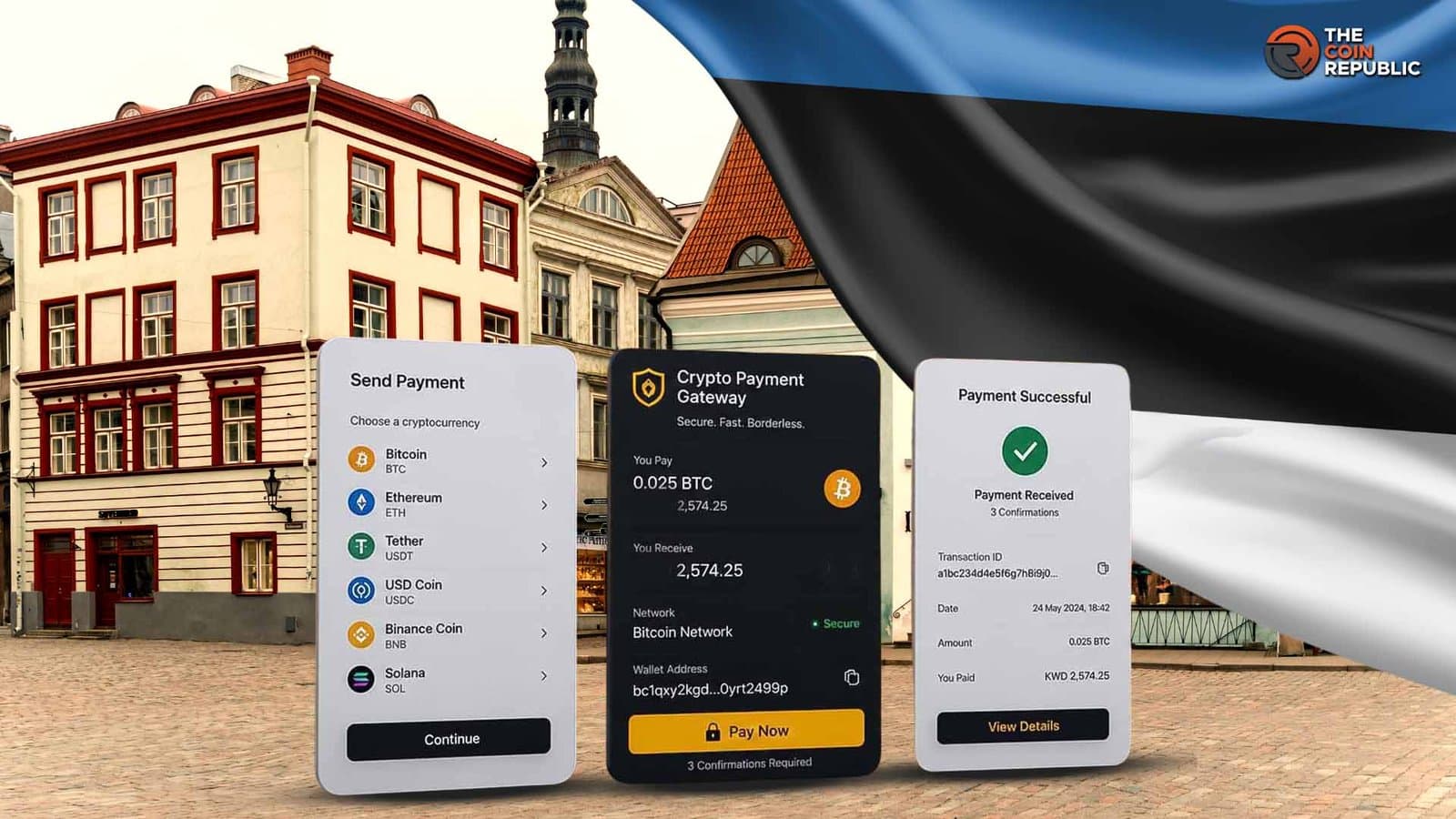
“Navigating the MiCA framework is a challenge, but it also sets a new standard for trust and compliance,” says an insider from Dream Finance OÜ, a key player in Estonia’s crypto payment scene. The country has long been a beacon for blockchain innovation, but 2026 marks a turning point as businesses adapt to stringent European regulations.
Estonia’s crypto payment gateways offer merchants smooth solutions to accept cryptocurrencies and convert them into fiat currencies efficiently. Leading firms like Dream Finance OÜ, behind CoinsPaid and CryptoProcessing platforms, have built solid infrastructures processing billions in transactions and offering services including virtual wallets, OTC trading, and cross-chain recovery. Their pending application for MiCA’s Crypto-Asset Service Provider authorization highlights the wider industry shift toward regulatory compliance without sacrificing innovation.
Businesses here can tap into various payment options such as merchant gateways, Lightning Network integrations, and partnerships with traditional banks, ensuring flexibility and broad accessibility. While some companies have already secured new licenses under MiCA, others are still in the process of restructuring to meet these requirements. This regulatory overhaul is reshaping Estonia’s crypto landscape but not stalling its growth.
As the continent faces increased oversight, Estonia remains a leading hub within the blockchain and fintech ecosystem, continuing to attract enterprises seeking reliable crypto payment solutions. For those tracking market movements amid this evolving regulatory environment, recent developments like Bitcoin price forecasts illustrate ongoing confidence despite volatility. The local gateways play a vital role in bridging crypto with everyday commerce in this new era.
This material is for informational purposes and does not constitute financial advice.