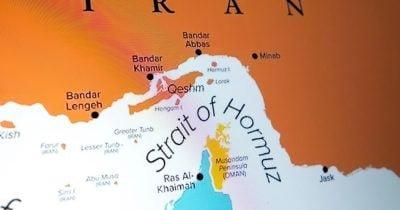
Senator JD Vance has issued a firm warning to Iran, stating that any attempts to obstruct the passage through the Strait of Hormuz would trigger a military response from the United States. This warning comes amid escalating tensions between the two nations, particularly regarding this critical maritime route that carries a substantial percentage of the world's oil supply. The recent retaliatory strikes by the U.S. on Iranian positions, following Iran's assaults on commercial vessels, have only intensified the possibility of military confrontation in the region.
Significance of the Current Situation
This unfolding scenario is particularly significant due to its implications for global energy security and economic stability. The Strait of Hormuz is not only pivotal for oil transport but also serves as a barometer for geopolitical tensions in the Middle East. The U.S. stance and Iran's ongoing provocations contribute to persistent uncertainty regarding the operational status of this vital waterway.
- Probability of traffic normalization in the Strait of Hormuz by August 31 decreased from 24% to 18.5%.
- Odds of effective closure of Bab el-Mandeb Strait increased from 8% to 14.5%.
- Heightened concerns of broader regional instability affecting energy markets.
As evidenced by these statistics, market participants are adjusting their expectations based on perceived risks associated with potential conflict. The drop in normalization odds suggests that investors are preparing for continued disruptions, which could have far-reaching consequences for oil prices and supply chains around the world.
Market Reactions and Future Vigilance
Given this precarious situation, it's crucial for investors to keep an eye on Iran's response to Vance's warning and any subsequent actions from both the U.S. and Iran. Observers should focus on developments such as possible diplomatic efforts, military escalations, or shifts in existing agreements. Additionally, fluctuations in oil prices and data on global energy flows will be key indicators of changing market perceptions regarding the strait's operational capacity. Such insights will be essential for navigating potential volatility in the energy markets and understanding the broader economic implications.
This material is for informational purposes only and does not constitute financial advice.