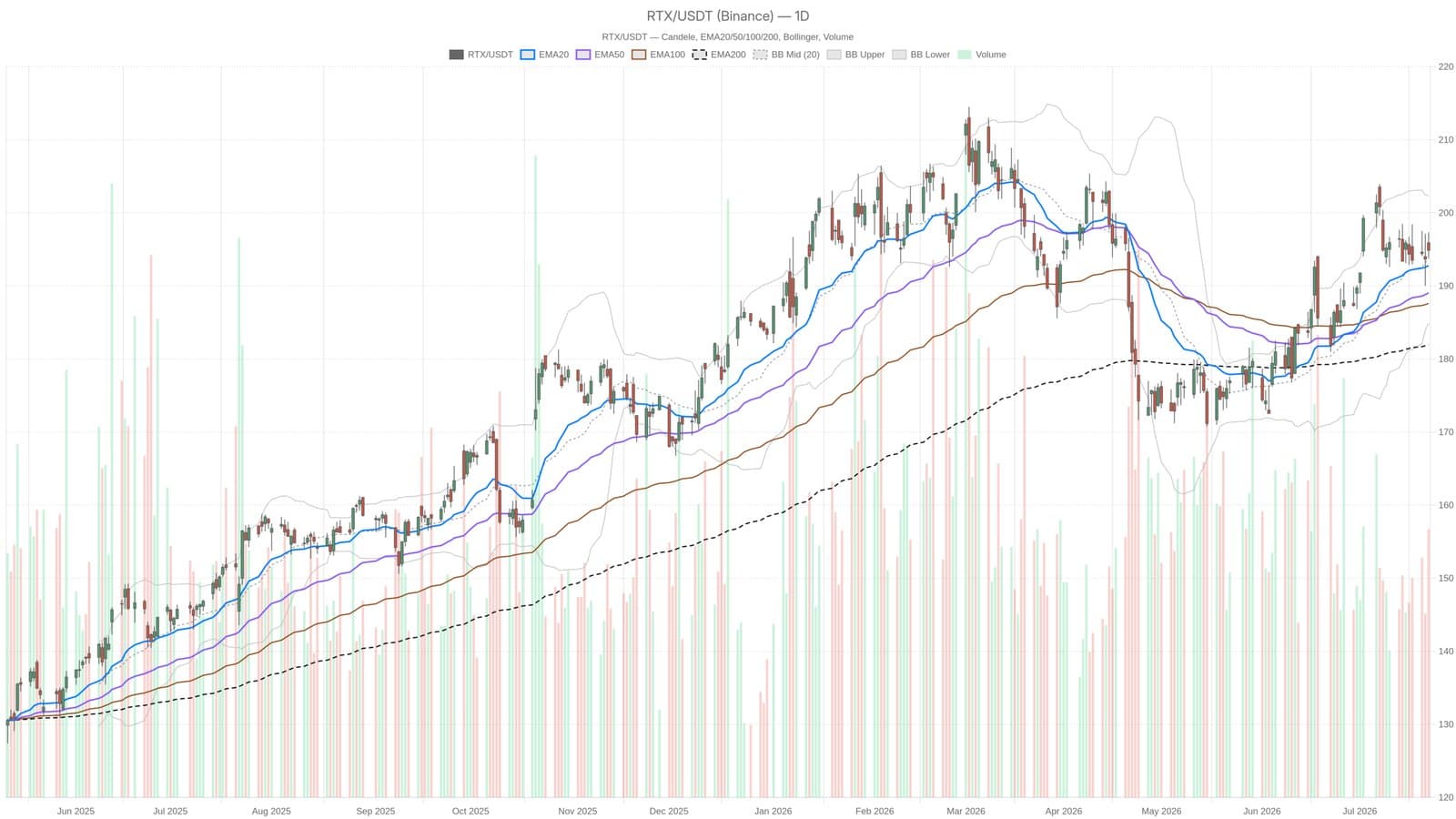
Eli Lilly confirmed Thursday it will submit retatrutide for FDA approval in the first quarter of 2027, two years later than its original 2025 target. The delay comes down to manufacturing and quality-control data that regulators still need to review. LLY shares still closed up roughly 2% on the day.
The drug's clinical results are hard to dismiss. In a Phase 3 trial involving adults with obesity and Type 2 diabetes, participants dropped an average of 20.8% of their body weight over 80 weeks, close to 50 pounds. A separate trial focused on patients with severe obesity and established cardiovascular disease produced even sharper numbers: 22.6% body weight lost, or about 55.8 pounds, over the same period. Both trials cleared the bar set by Lilly's own Zepbound and Novo Nordisk's Wegovy, the two drugs currently dominating the weight-loss market.
What makes retatrutide structurally different is the number of hormones it targets. Wegovy acts on GLP-1 alone. Zepbound adds GIP to that. Retatrutide goes further, hitting GLP-1, GIP, and glucagon simultaneously. That triple-agonist mechanism has no direct equivalent among approved obesity drugs today. Side effects reported in trials, diarrhea, nausea, constipation, tracked closely with what patients on other GLP-1 drugs already experience.
Kenneth Custer, who leads Lilly's Cardiometabolic Health division, said the company is confident it has enough data to file globally. The regulatory push won't stop at obesity: Lilly is also targeting knee osteoarthritis pain and obstructive sleep apnea as additional indications for retatrutide.
TD Cowen analysts put the drug's commercial potential at $3.8 billion in annual sales by 2030. That would slot it in alongside Zepbound and Lilly's recently launched oral option, Foundayo, giving the company three distinct products competing in the obesity space at the same time. For Lilly, keeping that lead over Novo Nordisk matters as much as any single drug's trial data.
Among the 22 Wall Street analysts who cover LLY, 20 rate it a Buy and two say Hold. The average price target sits at $1,294.06, which implies about 17% upside from current trading levels.
This article is for informational purposes only and does not constitute financial or investment advice.