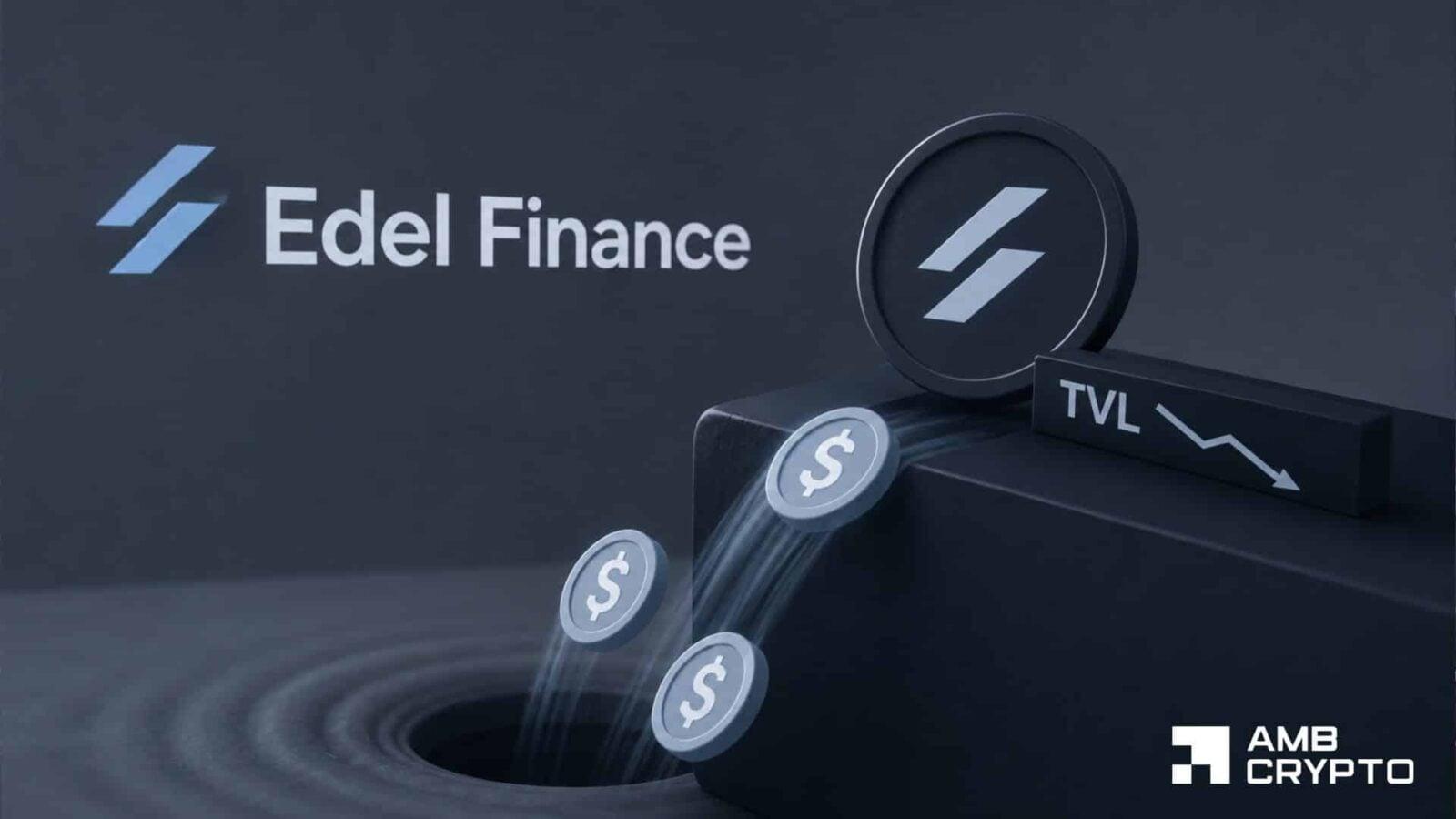
Edel Finance Hit by $403K Flash Loan Attack Targeting xStock Collateral Pricing
Edel Finance suffered a $403,000 flash loan exploit that inflated wGOOGLx collateral value by 78x, triggering mass withdrawals and a near-total collapse in TVL. The incident exposed critical oracle vulnerabilities in tokenized lending markets.
A decentralized lending protocol focused on tokenized equities, Edel Finance, has fallen victim to a sophisticated exploit that drained approximately $403,000 from its reserves. The attack was carried out using a flash loan mechanism that manipulated the pricing of wrapped xStocks assets.
The attacker exploited the exchange rate of wGOOGLx — a wrapped version of tokenized Google stock — inflating its perceived value by nearly 78 times its actual market price. By temporarily distorting this valuation, the bad actor was able to borrow assets far exceeding the real worth of the collateral provided, leaving the protocol burdened with substantial bad debt once the flash loan was repaid and prices normalized.
Edel Finance's team responded quickly upon detecting the anomaly, managing to contain the damage before losses escalated further. However, the swift response could not fully mask the severity of what had occurred. The incident cast a sharp spotlight on long-standing vulnerabilities in oracle infrastructure and collateral valuation systems that underpin tokenized lending markets.
In the wake of the exploit, user confidence deteriorated rapidly, triggering a significant wave of capital withdrawals. According to data from DeFiLlama, the protocol's total value locked (TVL) collapsed from around $630,000 to a near-negligible $947 — a dramatic collapse that reflected the scale of the panic among depositors.
Net outflows from the platform reached approximately $630,000, marking the largest recorded capital exit in Edel Finance's history. A brief $100,000 inflow provided temporary relief, but it was insufficient to counteract the accelerating withdrawals that followed the attack.
The behavior of liquidity providers signals a clear shift in priorities: capital preservation is now taking precedence over protocol participation. This dynamic creates a difficult recovery environment. Without a steady stream of new deposits, borrowing capacity remains severely constrained, making it hard for the lending platform to restore operational normalcy.
Looking ahead, Edel Finance faces a multi-layered recovery challenge. Rebuilding TVL will require not only restoring confidence among existing users but also attracting new capital — a tall order following a high-profile security breach. Crucially, the protocol will need to implement more robust oracle protections and stricter collateral validation frameworks to prevent similar incidents from occurring in the future.
The broader takeaway from this exploit extends beyond Edel Finance itself. Tokenized asset lending platforms across the DeFi ecosystem remain exposed to oracle manipulation risks, particularly when dealing with synthetic or wrapped representations of real-world assets. Until industry-wide standards for pricing integrity and collateral verification are strengthened, similar vulnerabilities are likely to persist.
For Edel Finance specifically, the path to recovery runs through transparency, technical remediation, and a demonstrated commitment to risk management. Only by addressing the root causes of this exploit — rather than simply patching the immediate damage — can the protocol hope to reclaim the trust of its user base and return to sustainable growth.
More Stories
Ripple's Former Lead Engineer Says XRP Ledger Predicted the Visa-Mastercard Stablecoin Era a Decade and a Half Early

South Korean authorities pursue charges against crypto whale accused of market manipulation
CZ Failed to Secure His WhatsApp Handle — and That Reveals a Dangerous Impersonation Gap