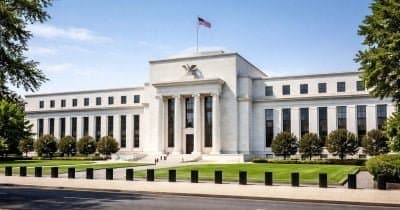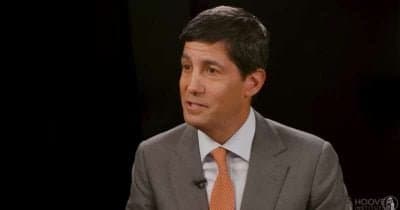
The European Central Bank raised its key interest rate by 25 basis points on June 11, while ECB President Christine Lagarde told reporters that medium-term inflation expectations in the euro area remain "firmly anchored" around the 2% target. The move came even as headline inflation is still running at 3.0% for 2026, a full percentage point above where the bank wants it.
The bank's own forecasts lay out a slow descent: 3.0% this year, 2.3% in 2027, and finally 2.0% in 2028. That means the ECB is signaling to markets that it won't hit its own target for another two years.
Lagarde doubled down on the message eleven days later at the European Parliament. As she told lawmakers on June 22, "We see no evidence yet of de-anchoring of inflation expectations," pointing to both survey-based and market-based measures as proof the 2% target still has credibility. No second-round effects, no wage-price spiral in sight, at least not yet.
The near-term inflation pressure is being attributed largely to energy prices, which remain elevated due to the ongoing Middle East conflict. Lagarde framed this as a temporary disruption rather than a structural shift. That framing matters enormously: if the ECB believes the pressure is transitory, it can afford to pause. If inflation proves stickier, more hikes follow.
What this means for crypto markets
Every rate hike in Frankfurt raises the opportunity cost of holding risk assets, Bitcoin included. Safe European yields just got a little more attractive, and that quarter-point increase pulls capital, even marginally, away from speculative positions. Crypto traders who ignore ECB policy do so at their own risk.
The silver lining buried in the ECB's own projections is that rate cuts are coming eventually. If inflation follows the 3.0% to 2.3% to 2.0% trajectory, easing will follow. The question is timing, and Lagarde made clear the bank is staying data-dependent rather than committing to any fixed path. Energy prices moderating, or the geopolitical situation shifting, could bring a pause sooner than the forecasts imply.
For now, the rate hiking cycle is still live, and the ECB's credibility on inflation, built over years of messaging, is the main reason longer-term expectations have held steady despite the messy near-term numbers.
This article is for informational purposes only and does not constitute financial advice. Crypto and financial markets carry significant risk; always do your own research before making investment decisions.