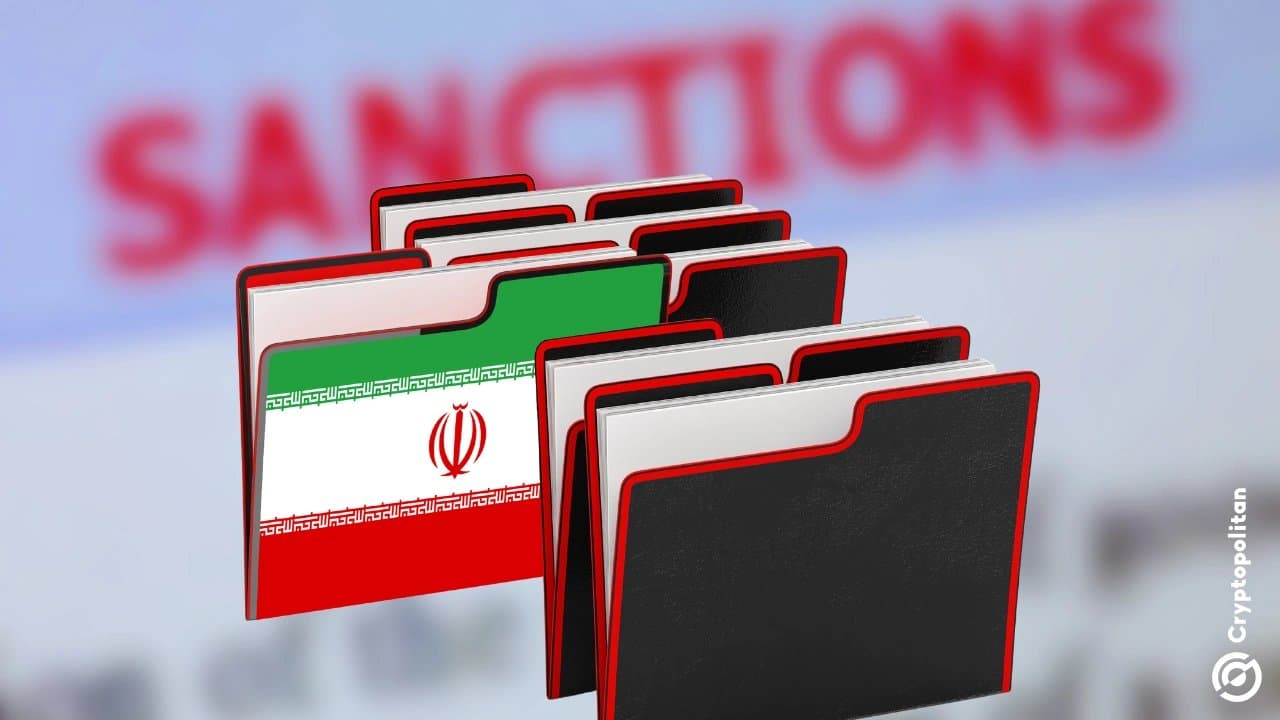
An unlicensed crypto exchange in Dubai named Shelbit managed to move over $4 billion since May 2024, primarily for Iranian clients under U.S. sanctions. Despite operating openly from an office in Dubai, Shelbit went unnoticed until investigators traced a complex money trail back to Iran’s gambling networks and sanctioned entities.
Underground Gambling Empire Tied to Shelbit
The bulk of Shelbit’s transactions came from a massive Farsi-language illegal gambling operation running more than 2,000 websites. Gambling is strictly prohibited inside Iran and punishable by law, yet this network somehow accessed the country’s sanctioned banking system through the crypto exchange. Blockchain analysis revealed that tens of millions of dollars flowed directly from these gambling sites into Shelbit’s wallets.
John Wojcik, a senior analyst at TRM Labs and former United Nations investigator, described the scheme as “by far the biggest Iranian illegal gambling network ever discovered.” The operation appears to be fronted by two Iranian influencers with strong government connections, blurring the lines between illicit activity and official complicity.
Shelbit Among a Growing List of Crypto Loopholes
Shelbit’s role adds to a growing record of crypto platforms exploited to dodge international sanctions on Iran. It follows in the footsteps of Nobitex, an Iranian exchange blacklisted by the U.S. in June, and the vast oil money network linked to sanctioned tycoon Babak Zanjani. Each case emerged after investigators followed blockchain transactions that conventional financial monitoring missed.
Authorities in Dubai have already stepped in, with the Virtual Assets Regulatory Authority (VARA) ordering Shelbit to cease operations. Yet the case highlights the ongoing challenge of policing crypto channels where jurisdictional and regulatory gaps remain wide.
This material is for informational purposes only and does not constitute financial advice.