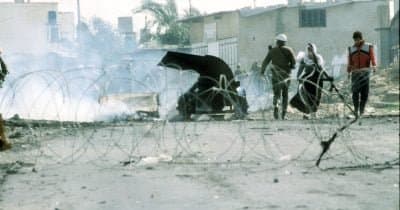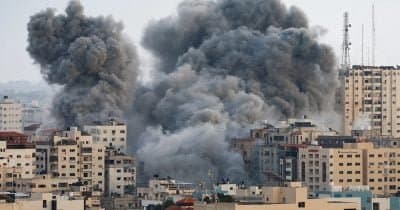
At least eight people, including two young children, died in Israeli airstrikes on Gaza on July 8, Palestinian health officials report. These attacks occurred shortly after Hamas agreed to a disarmament framework, casting doubt on the stability of any ceasefire in the region.
Further strikes on August 1 added two more casualties and damaged critical medical storage near a Gaza hospital, worsening humanitarian concerns. The continuation of violence throughout 2026 defies the October 2025 US-negotiated ceasefire, which was intended to halt fighting but has failed to produce lasting peace.
Ongoing instability and global ripple effects
Hamas’s talks about disarmament remain uncertain as Israel has yet to fully accept the deal. Previous military actions earlier this year have also resulted in civilian deaths, including children. The destruction of medical supplies raises the risk of escalating a humanitarian crisis that could prompt reactions from regional powers such as Turkey, Iran, and Qatar actors whose moves often influence energy markets and trade.
The situation has caught the attention of investors wary of geopolitical risks shaping market flows. The key factor to monitor is whether the US adjusts its military or diplomatic stance in response to these strikes, given that the ceasefire largely exists on paper until Israel signs off on the disarmament terms.