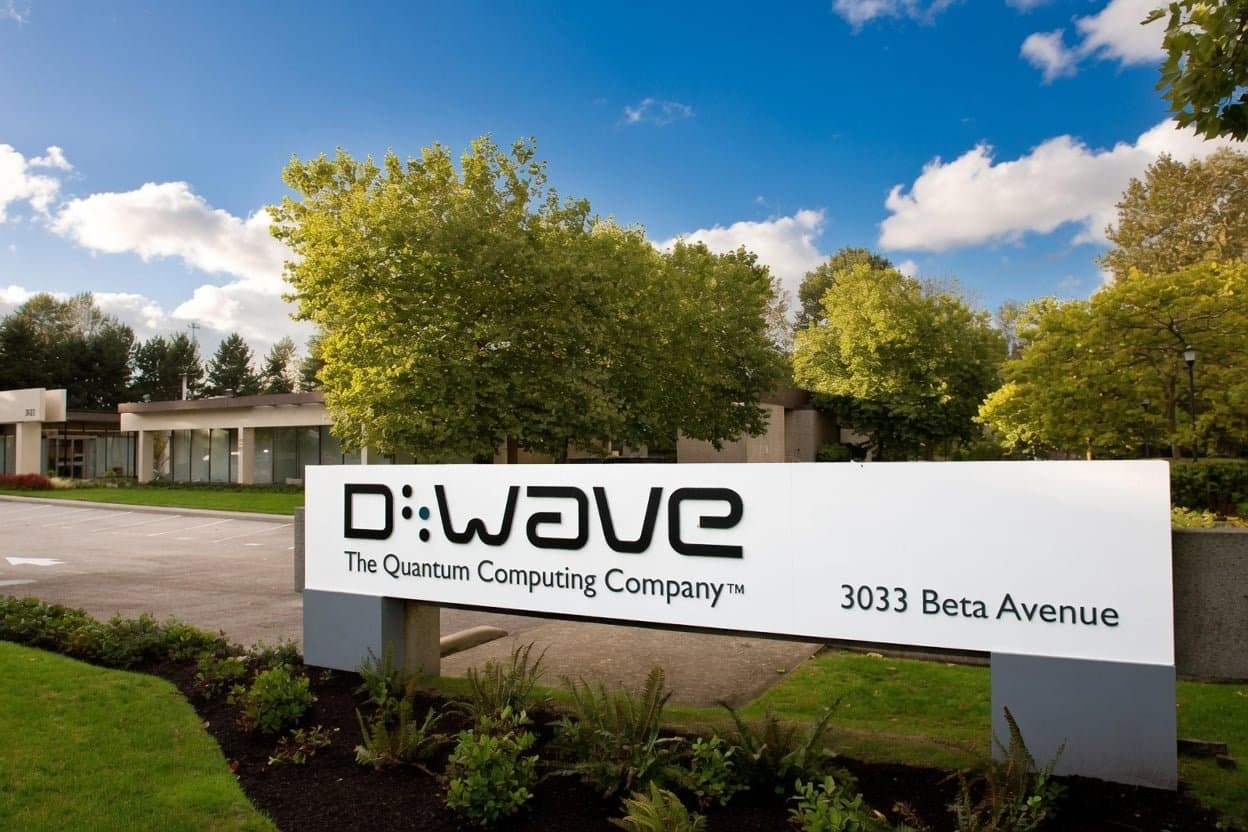
D-Wave Quantum (QBTS) switched its listing from the New York Stock Exchange to Nasdaq on July 27, with CEO Dr. Alan Baratz and the leadership team marking the change by ringing the opening bell at Nasdaq MarketSite in Times Square. The stock began trading on Nasdaq at $16.23 and closed last Friday at $16.21, down 38% so far this year.
The transfer involved no fresh capital, adjustments to share structure, or immediate financial updates. It came after D-Wave filed Form 25 to exit NYSE and registered with Nasdaq via Form 8-A. Trading on NYSE ended July 24, and Nasdaq trading started July 27 under the same QBTS ticker.
What the Nasdaq Listing Means for D-Wave
This move is mostly administrative but could boost D-Wave's profile among tech-oriented investors. The company, known for its dual-platform quantum computing systems combining annealing and gate-model approaches, sees the Nasdaq listing as the beginning of a new growth phase.
Institutional investors have shown growing interest: Allspring Global Investments increased its stake by over 300% in Q1, while other funds also added positions in Q4. Insider trading activity included CEO Baratz selling around 17% of his shares in June for an average price of $26.13, alongside other insider sales totaling $35.7 million over recent months.
The real focus now shifts to D-Wave's upcoming earnings report on August 6. In Q1, the company posted an EPS loss of $0.05, outperforming estimates but missed revenue expectations with $2.86 million, down nearly 81% year-over-year. Investors will scrutinize revenue growth, customer acquisitions, bookings, and cash flow to gauge if commercial momentum is improving.
Analysts maintain a bullish stance with a Strong Buy consensus from 13 ratings, including price targets averaging $38.27, implying a potential 135% increase from current prices. Major firms like Canaccord Genuity and Cantor Fitzgerald have targets above $40, while Mizuho recently raised its target to $35 with an Outperform rating.