Imagine holding USDT and instantly switching from Bitcoin to gold, oil, or even a product linked to SpaceX without needing a separate brokerage account. The interface feels familiar, balances update quickly, and trading hours match the usual crypto schedule. But what exactly do you own after clicking? That question is at the heart of a new wave of crypto exchanges expanding into traditional finance territory.
Leading players like MEXC are no longer just crypto hubs. They now offer commodities, equity futures, pre-IPO shares, and even access to US-listed stocks. This move signals a broader trend: crypto exchanges and fintech platforms want to be the go-to spot for nearly any kind of trading. The lines between traditional finance and crypto are blurring, but it’s more about expanding possibilities than replacing either market.
Tokenized stocks have surged, reaching about $2.3 billion in market value in July, a huge leap from $329 million the year before. Kraken’s xStocks product alone has over $25 billion in transaction volume, and other major names like Robinhood and Coinbase are speeding up their tokenized equity offerings.
But the challenge is transparency. Users need to understand what they’re actually buying. A token might look like a stock but might not carry shareholder rights or dividends. For example, MEXC's SpaceX-linked product, traded through a spot-style interface, is actually a Mirror Credits asset. It tracks the company’s value but doesn’t grant ownership perks like voting or dividends.
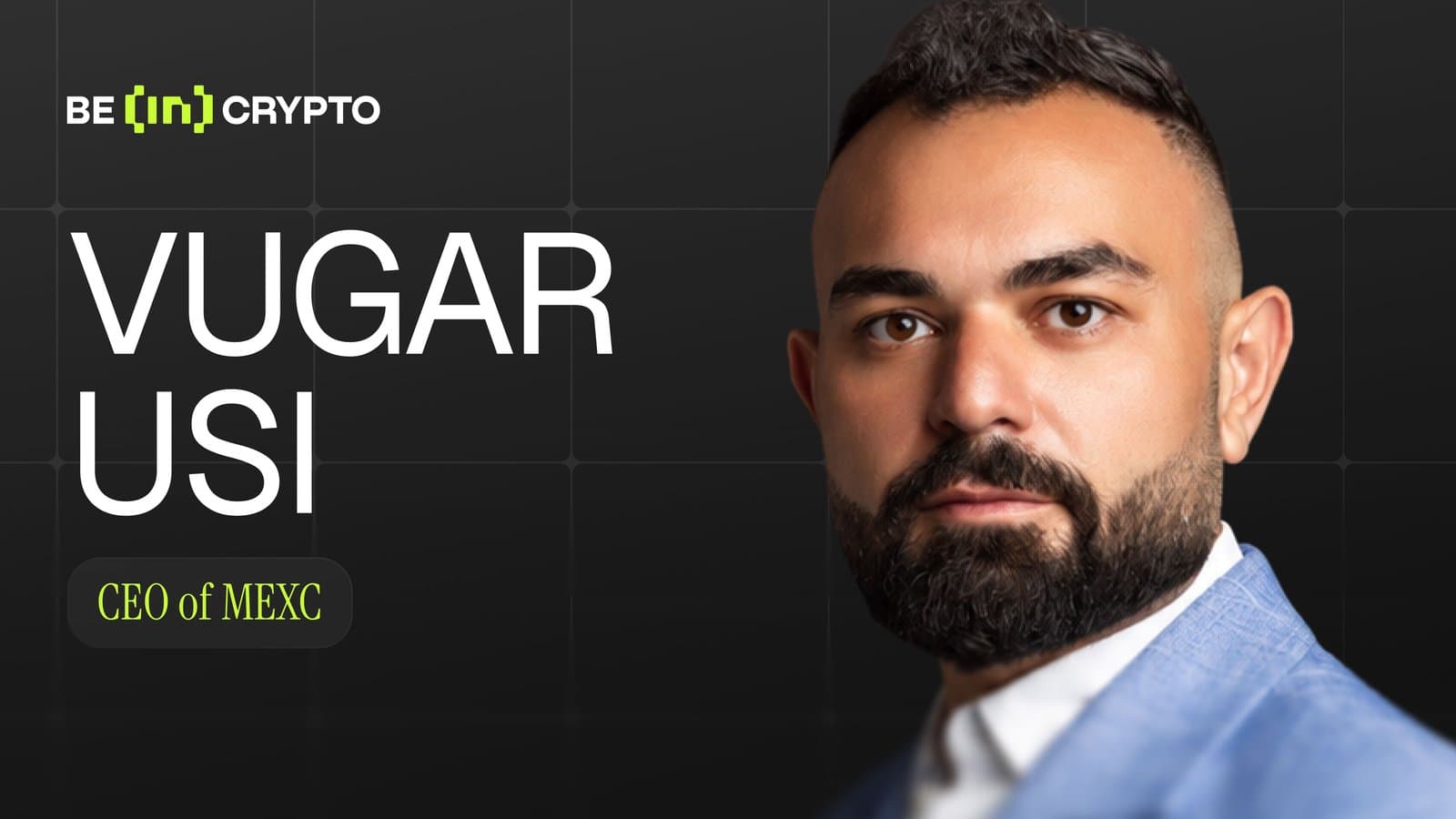
MEXC’s CEO, Vugar Usi, says traders want one platform to move smoothly between cryptos, stocks, precious metals, and other assets without dealing with multiple platforms. This convenience is attractive, but it demands clear terms.
MEXC also offers equity futures where customers speculate with use and USDT, again without owning the underlying shares. Then there’s their RealStocks service launched recently, which partners with a securities brokerage to provide actual US stock ownership for eligible users, including dividend rights.
This fine print can easily disappear beneath slick interfaces, posing risks for traders who might assume tokenized assets are the same as traditional shares. The market’s rapid growth calls for stronger user education.