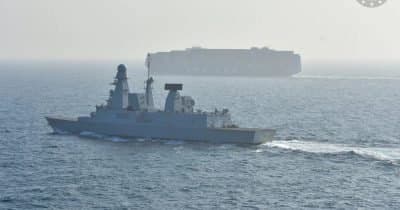
Brent crude jumped roughly 5% in a single session on July 23, touching intraday highs near $98 per barrel. Five straight days of gains had already built momentum before Wednesday's spike, with renewed US military actions against Iranian targets and widening fears of Middle East supply disruptions doing most of the pushing. Then the Houthis struck two Saudi oil tankers in the Red Sea with drones and missiles, claiming the vessels had violated a maritime blockade, and the market moved hard.
That $98 print is the highest level since May, and it sits uncomfortably close to $100, the number that tends to make central bankers visibly uncomfortable. This isn't the first time in 2026. Back in March, during the Strait of Hormuz crisis, Brent blew past triple digits for the first time since 2022 and eventually peaked at $126 before pulling back. The current trajectory is following a similar script, just a few chapters earlier.
What crude at $100 actually does to the rest of the market
Higher oil feeds directly into transportation costs, which feed into the price of almost everything else. That's the inflation channel, and it's the one that matters most for monetary policy right now. If CPI prints stay sticky because of energy, rate cuts get pushed further out. Elevated rates compress valuations on risk assets across the board, including equities and crypto.
Bitcoin's relationship with oil shocks is less straightforward than the headline suggests, though. During the March Hormuz episode, when Brent peaked at $126, risk assets initially sold off, then found footing as markets got a clearer read on actual supply impact. Large-scale miners have also shifted toward long-term renewable power contracts and fixed purchase agreements, which has historically muted the direct hit to mining economics even when spot energy prices spike.
The indicators worth watching first are Treasury yields and the dollar index. Both tend to reprice within days of an inflation scare, and Bitcoin's reaction historically lags those moves by a few trading sessions. That lag is the window traders have used to position in previous oil-driven volatility episodes.
Yemen's Houthi movement has targeted Red Sea shipping repeatedly since late 2023, but strikes directly on Saudi tankers escalate the geopolitical stakes considerably. Whether this stays contained or widens depends heavily on the next few days of diplomatic and military signaling from Riyadh and Washington.
This article is for informational purposes only and does not constitute financial or investment advice.