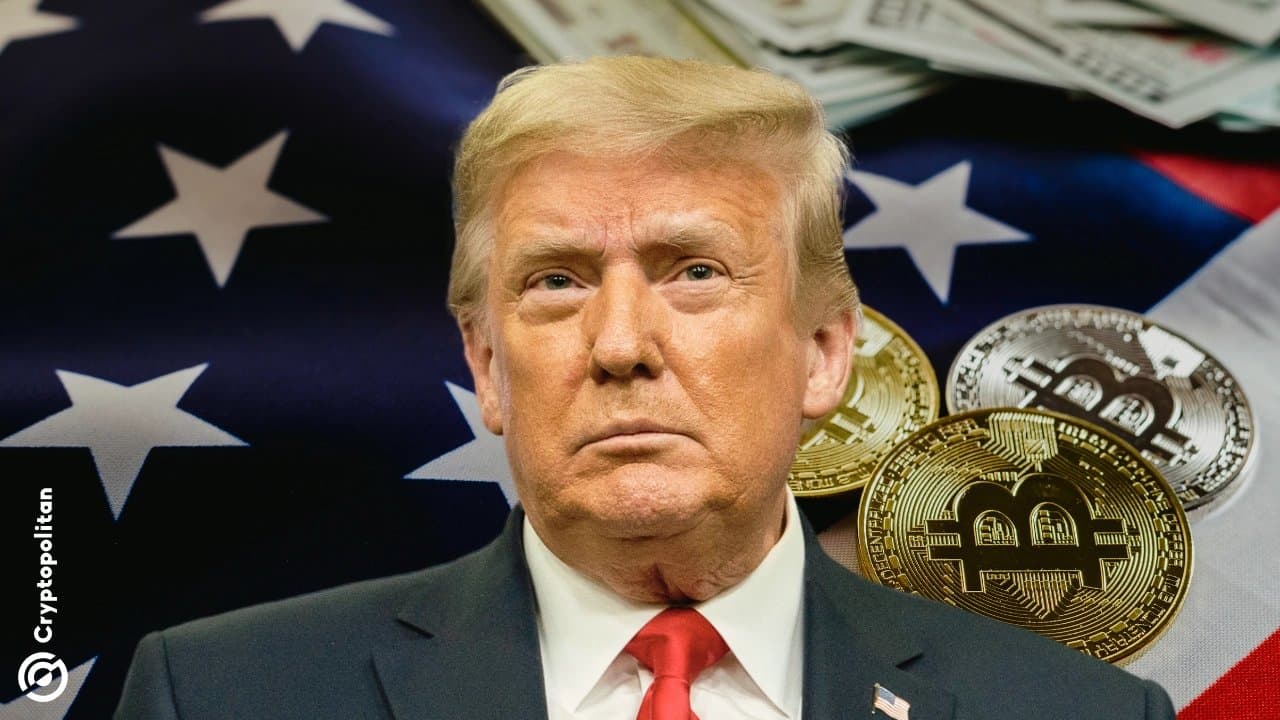
The future of the Digital Asset Market Clarity Act now hangs in the balance as three Senate Democrats voice their concerns over potential conflicts of interest stemming from President Trump's involvement in the cryptocurrency market. While the bill is intended to establish a clearer regulatory framework for digital assets, it has become a focal point of contention due to Trump's reported $1.4 billion profits in the crypto space.
Democratic Pushback Against the Clarity Act
During a recent press conference, Senators Chris Murphy, Chris Van Hollen, and Jeff Merkley called on their colleagues to oppose the Clarity Act unless it incorporates stronger ethics rules that would prevent government officials, including the president, from benefiting financially from cryptocurrencies while in office. Their opposition echoes sentiments expressed by Senator Elizabeth Warren, further solidifying a growing consensus against the legislation.
Van Hollen, who sits on the Senate Banking Committee, characterized the bill as a "corrupt piece of legislation" that could potentially shield Trump’s financial interests. He emphasized that without a mechanism to disconnect Trump from his crypto profits, the bill is fundamentally flawed. Murphy echoed this sentiment, questioning how the legislation could have advanced without addressing such a critical ethical concern.
The Stakes of Bipartisan Support
The Clarity Act's passage hinges on bipartisan support, requiring at least seven Democratic votes to overcome the Senate's filibuster threshold of 60 votes. With the summer recess approaching, the clock is ticking for proponents of the bill. As the three senators mount their opposition, the likelihood of achieving bipartisan consensus appears increasingly tenuous.
One of the critical aspects of the proposed legislation is a specific provision aimed at prohibiting personal enrichment from crypto trading by high-level officials. This provision is still under discussion and has become a major sticking point for those who view Trump's cryptocurrency endeavors as a potential conflict of interest.
Potential Market Implications
As discussions continue around the Clarity Act, market participants are left to ponder the implications of the senators' objections. If the bill were to proceed without addressing these ethical concerns, it could set a troubling precedent for the integrity of regulatory frameworks in the digital asset space. Additionally, if the act fails to pass before the recess, this could lead to further delays in establishing much-needed regulatory clarity for the crypto market, potentially stunting innovation and investment.
This article is for informational purposes only and should not be considered financial advice.