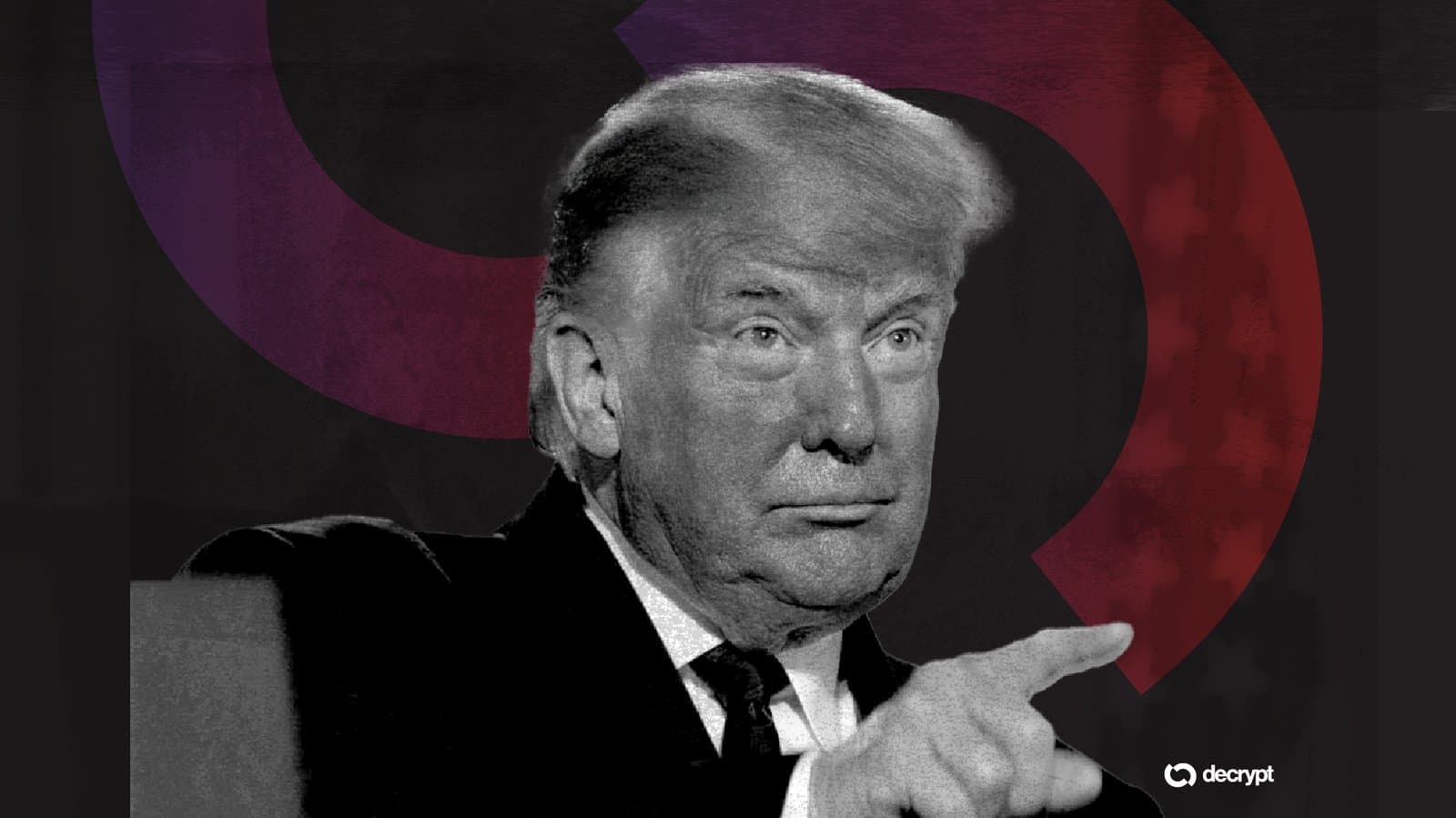
The latest draft of the Clarity Act includes a provision that would bar Donald Trump from participating in crypto ventures, but the restriction comes with a hard expiration date: 2029. After that, the prohibition disappears entirely, leaving critics to question just how meaningful the guardrail really is.
The bill, still working its way through Congress, targets conflicts of interest tied to sitting presidents and their immediate families holding or profiting from digital asset projects. Trump's ties to crypto have grown increasingly visible, from the TRUMP meme coin that launched ahead of his inauguration to World Liberty Financial, a DeFi platform linked to his family. WLFI's token was up more than 13% on the day this draft circulated, a move traders attributed partly to renewed attention on the project.
A four-year window, then silence
The 2029 cutoff is the detail that matters most here. If Trump serves a second term ending in January 2029, the restriction would theoretically cover his entire time in office. But the moment he leaves the White House, the ban lifts. There's no permanent prohibition, no post-presidency cooling-off period. Lawmakers who pushed for stricter language did not get it into this version.
Broader context: the Clarity Act is primarily a market structure bill meant to draw clearer lines between which digital assets fall under SEC jurisdiction and which belong to the CFTC. The presidential conflict-of-interest clause is one section among many, and it remains contested. Some members of the House Financial Services Committee have pushed back, arguing the provision targets one individual rather than setting durable policy for future administrations.
The draft is not law. Negotiations are ongoing, and the final text could look very different by the time any vote happens. Still, the fact that a bipartisan crypto framework bill now explicitly references presidential crypto holdings shows how much the political landscape has shifted since 2022, when most lawmakers were still trying to figure out what a DAO was.
This article is for informational purposes only and does not constitute financial or investment advice.