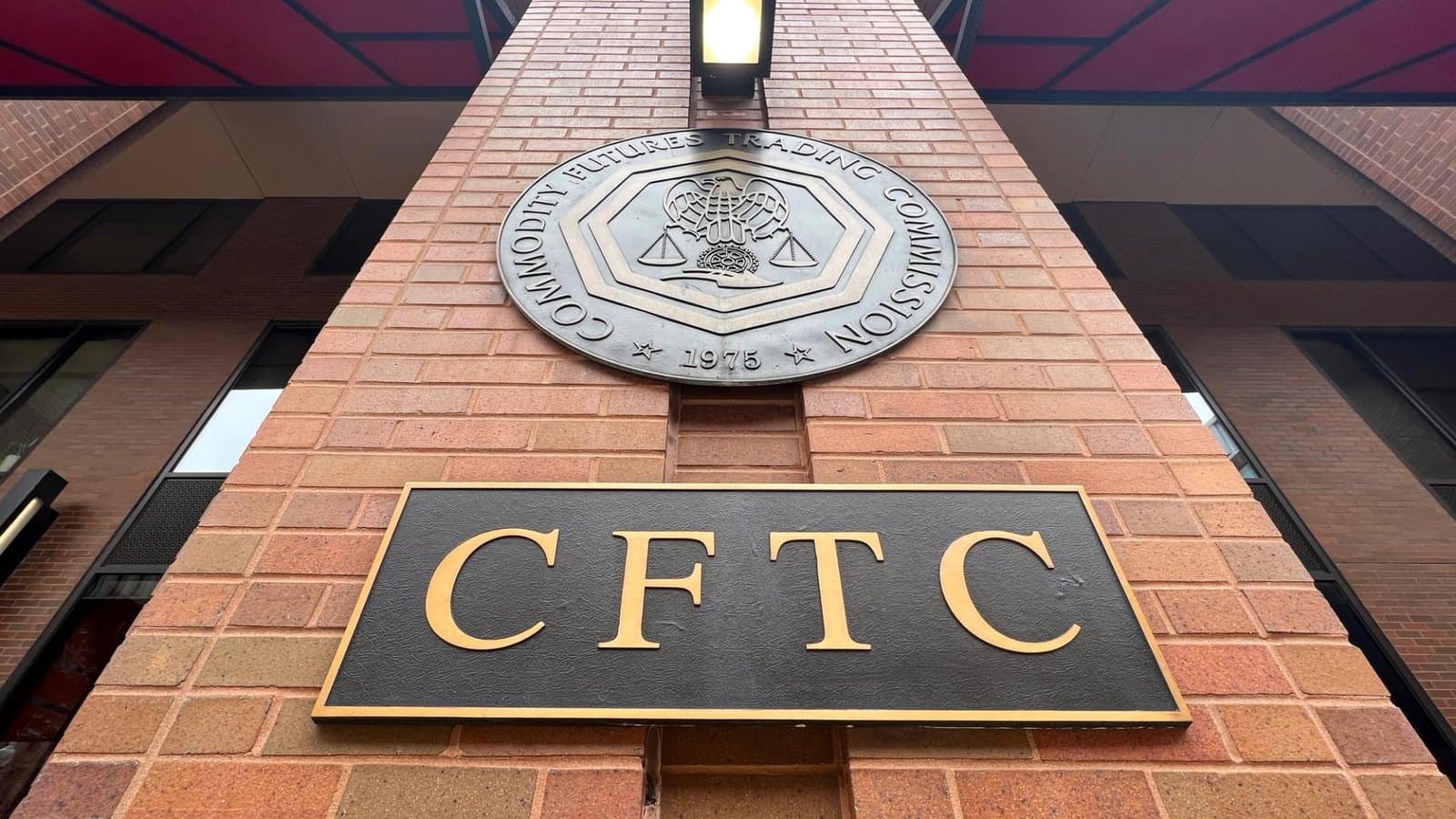
"We can't allow broad-stroke contract submissions anymore," a source close to the U.S. Commodity Futures Trading Commission told market participants this week. The regulator has raised concerns about prediction market platforms submitting wide-ranging event contracts using generic templates, complicating its review process.
The CFTC's recent advisory highlights that firms like Kalshi, Coinbase, Polymarket, and Crypto.com must provide detailed terms and analyses for each variation of event contracts they propose instead of relying on broad, cookie-cutter certifications. This is the second warning in a few months, signaling the regulator’s growing unease with how prediction markets are approaching contract approvals. Such broad submissions hinder the agency's ability to thoroughly assess compliance, settlement methods, and data sources associated with each contract permutation.
While the CFTC recognizes that related contracts can be grouped for certification purposes, it stresses that firms must still supply clear explanations and specific terms for every product variant. This insistence on detailed, case-by-case evaluations comes amid the prediction market sector's rapid expansion, particularly in areas like sports betting and political event forecasting. The evolving nature of this market, combined with legal uncertainties around the CFTC’s regulatory role which might eventually be resolved by the courts or even the Supreme Court adds complexity to the oversight process.
Industry players should note that the agency’s chairman, Mike Selig, is prioritizing a firm stance in ongoing regulatory battles, aiming to clarify and reinforce how prediction markets operate within the federal framework. For those tracking crypto trends and market behavior, this development parallels the regulatory engagement seen in other sectors, such as the increased Ethereum activity despite price dips, as covered in recent reports.