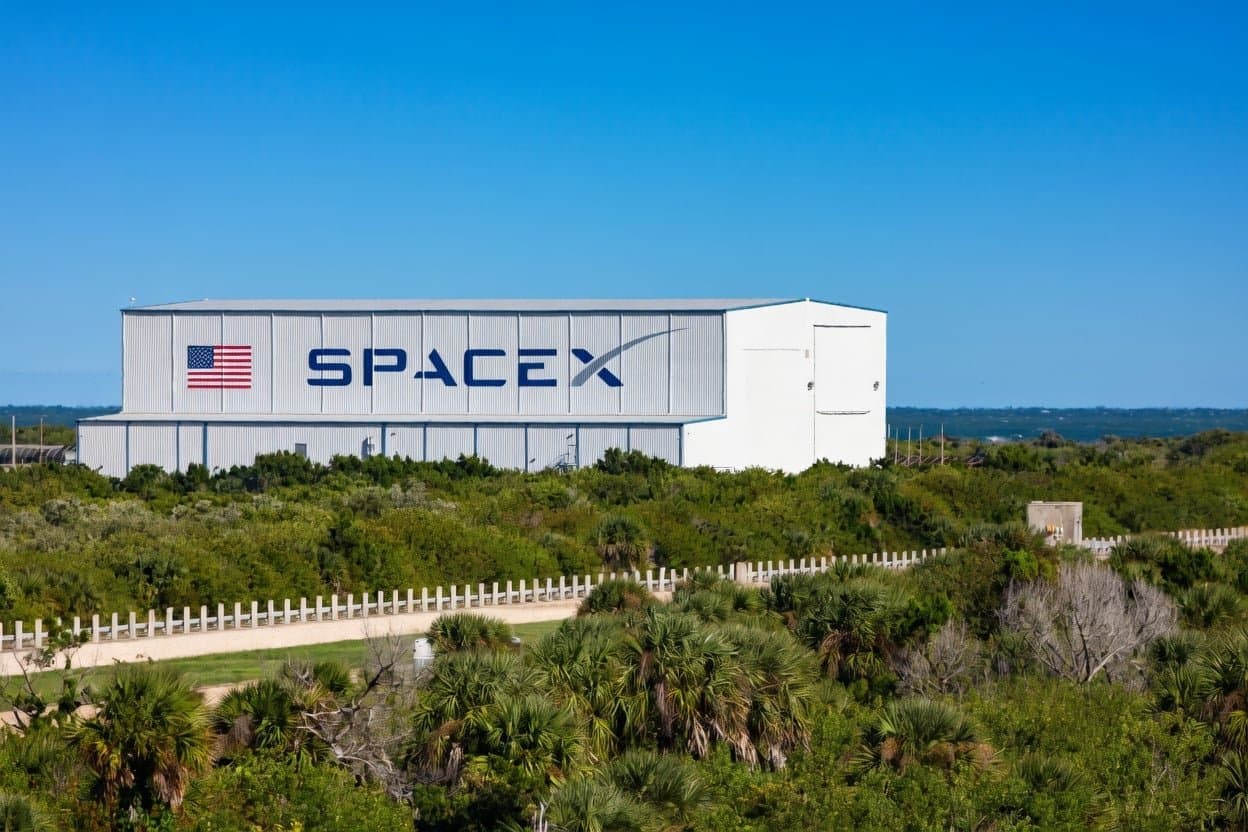
SpaceX shares plummeted to an all-time closing low of $123.99 last Friday, marking a nearly 40% drop from their peak of $201.80 on June 16. This plunge pushes the stock below its $135 IPO price, reflecting investor skepticism amid recent hurdles and losses.
The company’s current low valuation contrasts sharply with its ongoing negotiations with the U.S. Defense Department to supply AI computing capacity. If successful, this contract could mirror existing deals with Anthropic and Google, which together are expected to generate around $26 billion annually once fully operational. This potential revenue injection represents a significant growth vector for SpaceX, leveraging its AI infrastructure originating from the Memphis-based Colossus data centers established through the xAI merger.
Nonetheless, technical challenges persist. The recent scrub of Starship’s 13th test flight due to engine ignition failure underlines execution risks for SpaceX’s ambitious plan to deploy AI data centers in orbit powered by solar energy a project reliant on the Starship rocket to dramatically lower orbital access costs. The next flight, scheduled for June 23, is key, aiming for successful launch, stage separation, and deployment of 20 Starlink V3 satellites along with a mid-space engine reignition test.
Wall Street remains cautiously optimistic. Piper Sandler’s upgrade to a “hold” rating contrasts with a broader consensus favoring a moderate buy stance, reflected in an average price target of $234.78 nearly double the current trading price. Recent analyst initiations from firms like Wedbush, TD Cowen, and Royal Bank of Canada shows expectations for a strong recovery, albeit contingent on operational milestones.
SpaceX’s latest earnings report revealed a $1.27 per share loss on $4.69 billion revenue, highlighting profitability challenges amid aggressive expansion. Yet, institutional investors continue accumulating positions, suggesting confidence in long-term prospects despite near-term volatility.
This material is informational and does not constitute financial advice.