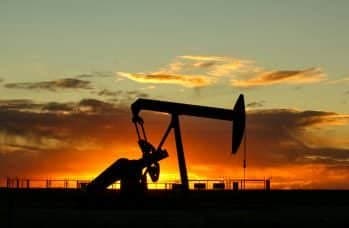
Brent crude slipped to $71.57 a barrel overnight. WTI followed lower, touching $68.58. The moves came as negotiators in Vienna signaled real progress on the nuclear file, eroding what traders call the geopolitical risk premium, the invisible markup that oil carries whenever the Middle East feels unstable.
For months the market had priced in worst-case scenarios. A flare-up between Washington and Tehran, a blockade of the Strait of Hormuz, supply shocks rippling through Europe and Asia. That premium sat thick on every crude contract. Now, as talks advance, those fears are pricing out fast.
The Conversation Shift
What's changed is momentum on the diplomatic side. Each round of talks has moved from posturing into actual horse trading. The US signaled flexibility on sanctions timing. Iran indicated room to move on inspection protocols. Markets read this as a genuine de-escalation track, not theater.
The numbers reflect it. Prediction markets that had assigned 15-18% odds to oil hitting new all-time highs by year-end are now pricing those bets at 8-10%. Traders are actively unwinding long positions built on geopolitical anxiety. Desks that had been hedged heavy are rebalancing into a lower-tension baseline.
Who Moves Next
The real test arrives if sanctions actually ease. OPEC's calculations shift dramatically in that scenario. Saudi Arabia, already managing production carefully, would face a flood of Iranian barrels hitting the market within months of a deal. That's not a problem they want, but it's the problem they'll get if Washington follows through.
Ministry officials in Riyadh have been quiet publicly but active behind closed doors, signaling to the market that they're prepared to absorb supply if needed. That messaging itself pushes prices down because it removes the tail risk of OPEC chaos during a transition period.
The crude market has seen this cycle before, though not often. When geopolitical risk unwinds, it unwinds fast. Positions built on fear collapse in days. Volatility spikes before it settles. What comes next depends entirely on whether the Vienna talks actually close or stall again.
This analysis reflects current market conditions and publicly available information. It is not investment advice. Oil markets remain volatile and subject to rapid shifts based on diplomatic and supply developments.