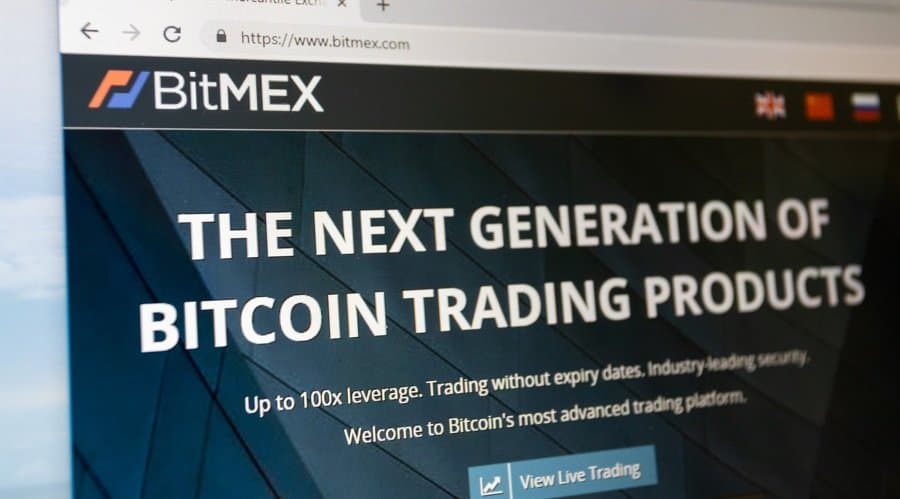
BitMEX has announced it will close its platform on 23 September 2026 at 04:00 UTC, exactly as the product it pioneered, the perpetual swap, is finally going mainstream in the US. HDR Global Trading Limited, the owner and operator of the exchange, confirmed the shutdown on Thursday and said new account registrations have already stopped.
The decision came out of a strategic review of the business and the broader crypto market. For BitMEX, the timing is brutal. The exchange spent years building the offshore derivatives market that regulators and institutional players are now rushing to bring onshore, just in time for BitMEX to exit.
How BitMEX shaped the market it can no longer compete in
Back in 2017 and 2018, BitMEX was the engine of speculative crypto trading. Its offshore base let it offer Bitcoin-dollar positions with up to 100x use, and the perpetual swap format it popularised had no expiry date, settling funding rates several times a day to stay close to spot prices. That structure became the dominant instrument across crypto derivatives globally.
For years, US retail traders had no compliant route into crypto perps. The product lived offshore almost entirely. That changed sharply through 2025 and into 2026, when the CFTC under Chairman Mike Selig moved to bring perpetual contracts onshore under what he described as "gold standard" regulation. Selig explicitly blamed the Biden-era approach for pushing perps to offshore venues with little investor protection, pointing to the FTX collapse as the outcome of that policy.
With regulated US entities now entering the perps market, the competitive logic that kept BitMEX relevant for nearly a decade has flipped. The offshore, high-use model that once attracted traders away from compliant venues is now competing against those very venues, operating legally in the world's largest capital market.
BitMEX built the template. The rest of the industry is now running the play on better-regulated turf, and the original author is closing up shop just as the curtain rises.
This article is for informational purposes only and does not constitute financial advice or a recommendation to buy, sell, or trade any asset.