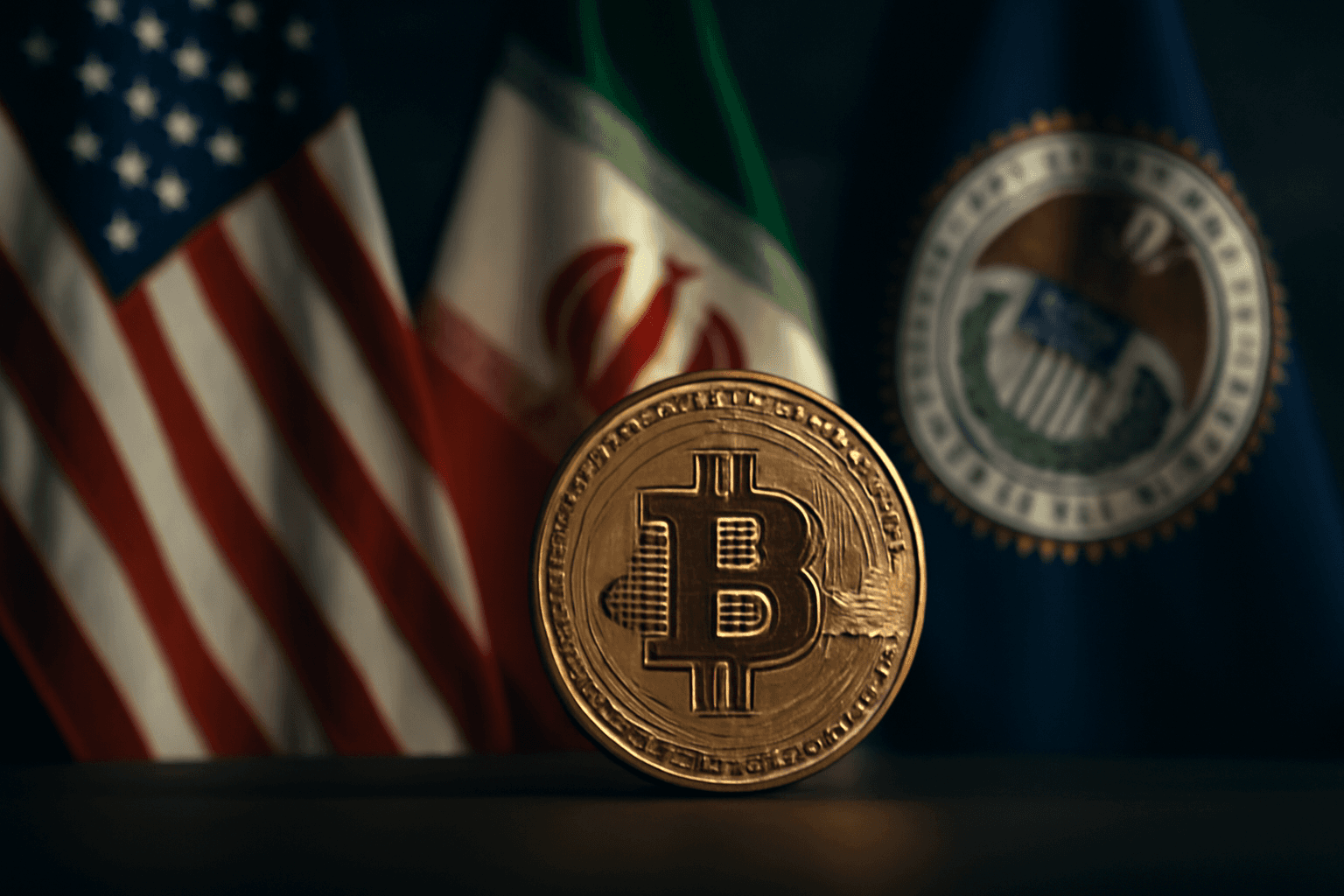
Bitcoin jumped back above $65,000 after two days without any military exchanges between the U.S. and Iran. This brief pause in conflict eased worries about inflation and sent oil prices tumbling 6%. The calming geopolitical backdrop gave Bitcoin a much-needed boost just days before the Federal Reserve's July 29 meeting.
Investors have been on edge amid ongoing tensions between the two nations, which had pushed commodities higher and rattled markets. With no fresh strikes reported, traders turned their attention to the upcoming FOMC announcement, widely expected to hold interest rates steady.
The drop in oil prices played a significant role in reducing inflation concerns. Higher energy costs often ripple through the economy, pushing prices up, so this dip signals some relief for markets and consumers alike. Bitcoin’s reaction shows how closely cryptocurrency prices can track broader economic and geopolitical developments.
This isn’t the first time geopolitical events have influenced crypto. For example, during recent diplomatic hurdles, including a temporary halt in talks between the U.S. and Iran over nuclear issues, markets have fluctuated sharply. The current calm also arrives amid other global tensions, such as stalled peace efforts between Russia and Ukraine, keeping investors cautious.
As investors await the Federal Reserve's decision, Bitcoin’s rally might reflect optimism that no rate hikes will occur, which often benefits risk assets like cryptocurrency. The coming days will be critical, with market participants watching both geopolitical signals and economic policy for cues on where Bitcoin might head next.