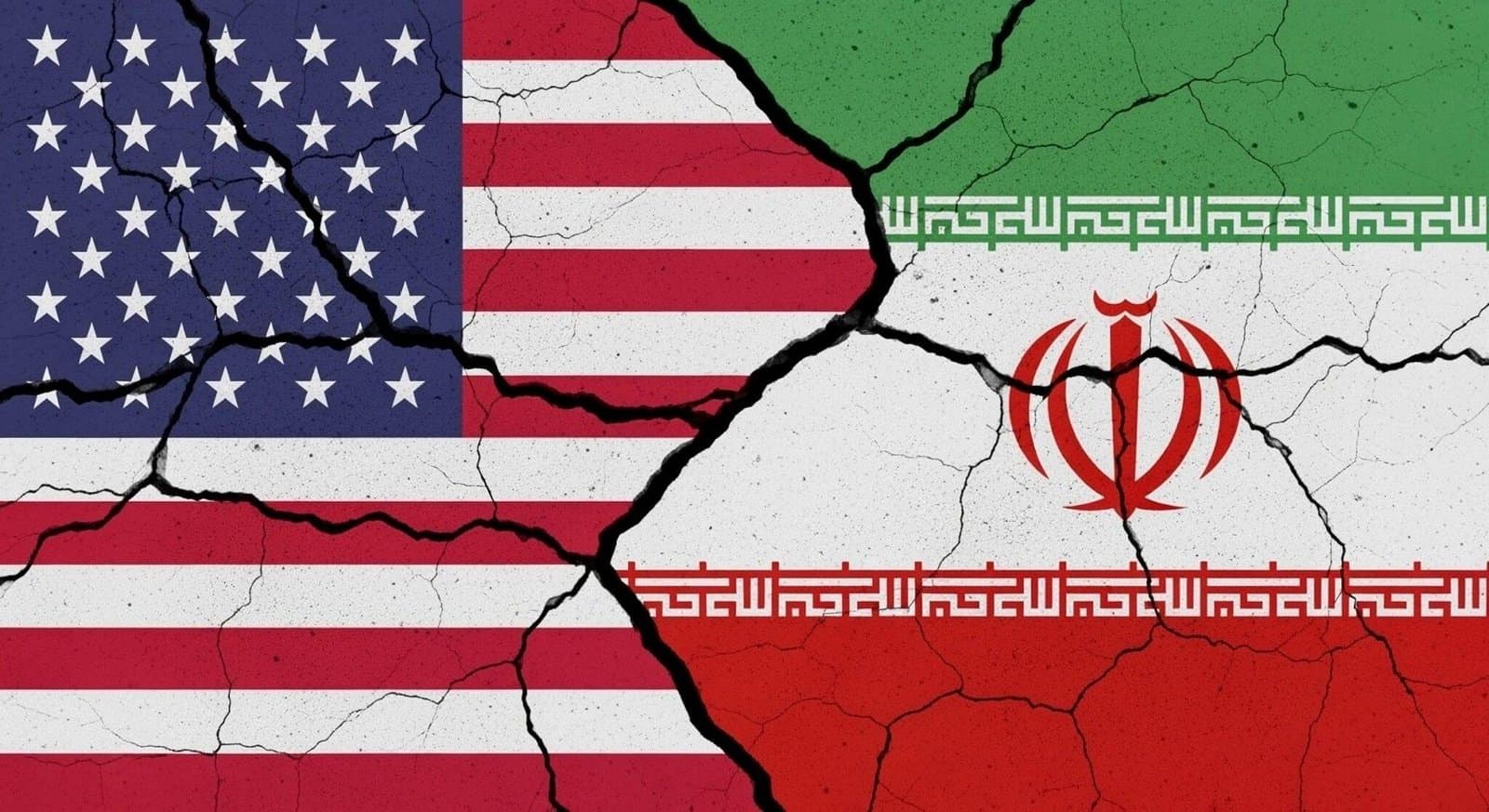
Bitcoin rebounded strongly, pushing past the $65,000 mark following a pause in military strikes between the United States and Iran for the second day in a row. This unexpected ceasefire raised hopes for renewed peace talks after weeks of regional tension, prompting investors to increase risk exposure across financial markets.
As Iran committed to halting its airstrikes contingent on the US doing the same, market optimism spread quickly. Bitcoin gained 1.2%, trading around $65,169, while Ether outpaced it, climbing approximately 3% to near $1,950. This performance indicates a potential rotation into altcoins, although Bitcoin dominance remains high at 58.6%, suggesting that a broad altcoin rally is not yet underway. Other large-cap cryptocurrencies such as Solana and XRP also recorded modest gains between 1% and 2%.
Meanwhile, oil prices dropped sharply amid easing tensions. Brent crude lost over 5%, dipping below $87 a barrel, and WTI futures fell around 5%, easing some inflationary concerns. This decline in energy costs could relieve pressure on the Federal Reserve as it approaches its July 28-29 meeting, where a rate hike remains uncertain.
US stock futures responded positively to the geopolitical development. Nasdaq-100 futures led gains with a 1.4% jump, while S&P 500 and Dow Jones futures rose roughly 0.8%. Investors are gearing up for a key earnings week featuring tech giants Microsoft, Meta, Apple, and Amazon, with market attention focused on their capital expenditures, especially in artificial intelligence a sector that experienced recent volatility due to spending reports from Alphabet and Tesla.
Analysts are also watching Bitcoin's longer-term cycle patterns for signs of a bottom following past halving events. Joao Wedson from Alphractal mentioned historical timing between Bitcoin halvings and bear market lows might provide some clues about the current trend.


