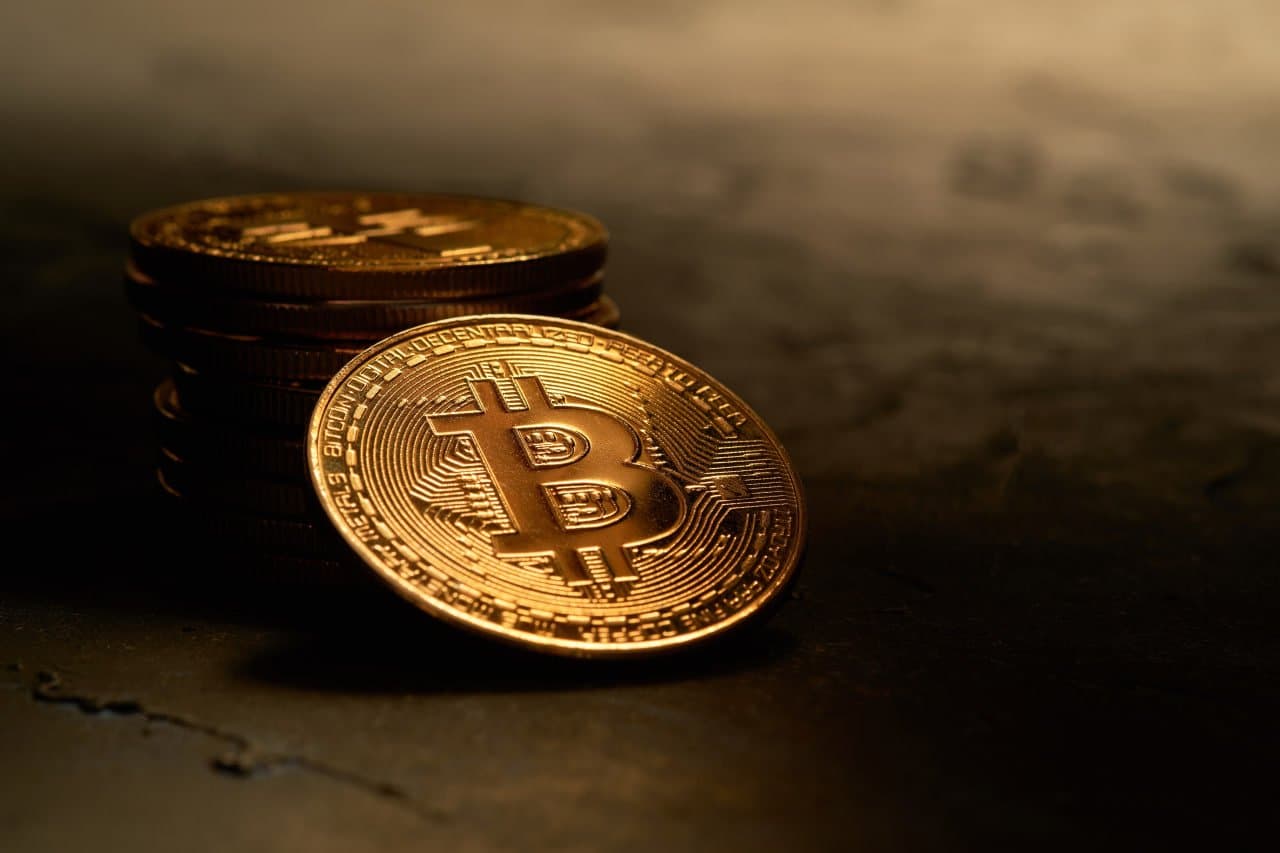
Bitcoin touched $65,500 on the back of a cooler-than-expected U.S. inflation print, then spent the next day sliding back toward $63,000 as missile exchanges between the U.S. and Iran knocked the optimism out of markets. Ethereum did the same thing, running from below $1,800 to almost $1,945, then retreating into the mid-$1,800s. The numbers looked like a rally. By the end of the week they looked like a head fake.
The inflation data itself was genuinely good. U.S. Consumer Price Index fell 0.4% in June, the steepest monthly drop since April 2020, after rising 0.5% in May. Core inflation, which strips out food and energy, was flat on the month and up 2.6% year-over-year. That was enough to take a July Fed rate hike largely off the table, and crypto moved accordingly. Bitcoin crossed $64,000 within hours of the release.
But the CPI report had a catch buried inside it. Energy prices accounted for the bulk of the headline decline, falling 5.7% in June. That's the same category now being squeezed by a conflict in the Middle East. The inflation relief, in other words, was partly built on cheap fuel, and cheap fuel is exactly what a shooting war near the Strait of Hormuz threatens to undo.
Three ships. Two days. One very thin strait.
Shipping data cited by Reuters showed just three commodity vessels passed through the Strait of Hormuz on July 16, the lowest daily count since May. For the second day running, no very large crude carriers or LNG tankers completed the transit. The U.S. blockade officially targeted Iranian ports and Iran-linked traffic, leaving neutral vessels technically free to pass. In practice, operators weren't buying it. Nobody wants to be the ship that becomes a headline.
The connection to crypto is not direct, but it's not complicated either. Oil up means energy inflation up. Energy inflation up means June's CPI improvement starts to look temporary. A Fed that was ready to pause suddenly has less room to do so. Less monetary easing means less appetite for risk assets, and Bitcoin, whatever its long-term store-of-value narrative, trades like a risk asset on a week-to-week basis.
That's the tug-of-war the market was living through. A genuinely soft inflation print on one side, and an escalating conflict with direct control over a chokepoint that moves roughly 20% of the world's oil on the other. Bitcoin didn't collapse. It just handed back a chunk of a rally that was always resting on shaky energy assumptions.
This article is for informational purposes only and does not constitute financial advice or an investment recommendation.