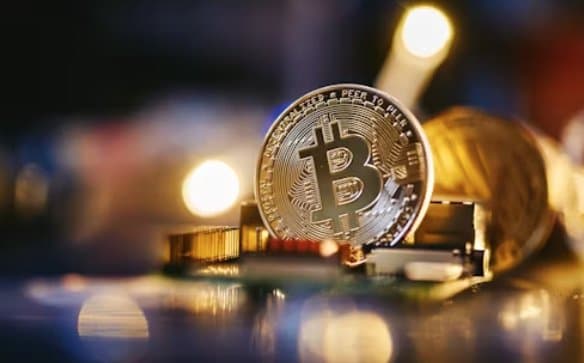
Picture a tiny slice of a single bitcoin, smaller than any cent, carrying a piece of digital art embedded directly into the blockchain. That is essentially what a Bitcoin ordinal is. Since January 20, 2023, developers have been inscribing data, images, text, even video game assets, onto individual satoshis, the smallest denomination of BTC, turning them into something that works a lot like an NFT on Ethereum.
The concept sounds simple but the implications are real. Bitcoin was always seen as a store of value, digital gold with no interest in smart contracts or token art. Ordinals changed that assumption. They gave the network a way to host unique digital items without a separate token standard, without spinning up a new chain, and without leaving the Bitcoin ecosystem at all.
What a satoshi becomes when it gets inscribed
Every satoshi, all 100 million of them per bitcoin, gets assigned an ordinal number the moment it is mined. That number is based purely on mining order, so each satoshi is traceable and unique. Developers then attach data to that specific satoshi through a two-step technical process: first the data is converted into hexadecimal code, then that code is wrapped inside a script that functions like a smart contract and broadcast as a transaction on the network.
The result is an inscribed satoshi, an ordinal, that permanently carries whatever was embedded into it. Unlike Ethereum NFTs, which typically store metadata off-chain and just point to an image hosted somewhere else, Bitcoin ordinals live entirely on-chain. The data does not disappear if a server goes down.
There is also a twist that separates ordinals from classic NFTs. A regular NFT on Ethereum is non-fungible by design; you cannot spend it as currency. An inscribed satoshi remains a satoshi. It can still be sent as payment, used to cover transaction fees, or traded like any other BTC. The inscription rides along with it. That dual nature, both a collectible and a spendable unit, is something Ethereum-based NFTs simply cannot do.
What people are actually doing with them
Digital art was the first obvious use case, and the market moved fast. Collectors started minting artwork directly onto Bitcoin blocks within weeks of the protocol going live. But the applications spread quickly beyond art: data storage, in-game items, tokenized real estate records, and identity documents have all been tested on the network.
A newer development worth knowing about is runes, fungible tokens built on top of the same infrastructure. Where ordinals are unique, runes are interchangeable, closer to ERC-20 tokens on Ethereum. Marketplaces like Magic Eden already support trading both ordinals and runes, giving buyers and sellers a single venue to move between collectible and fungible Bitcoin-native assets.
The volume of inscriptions crossed several million within the first year, congesting the mempool at times and pushing transaction fees noticeably higher. Miners welcomed the extra fee revenue. Regular BTC users, less so. That tension is still playing out.
This article is for informational purposes only and does not constitute financial advice. Always do your own research before making investment decisions.


