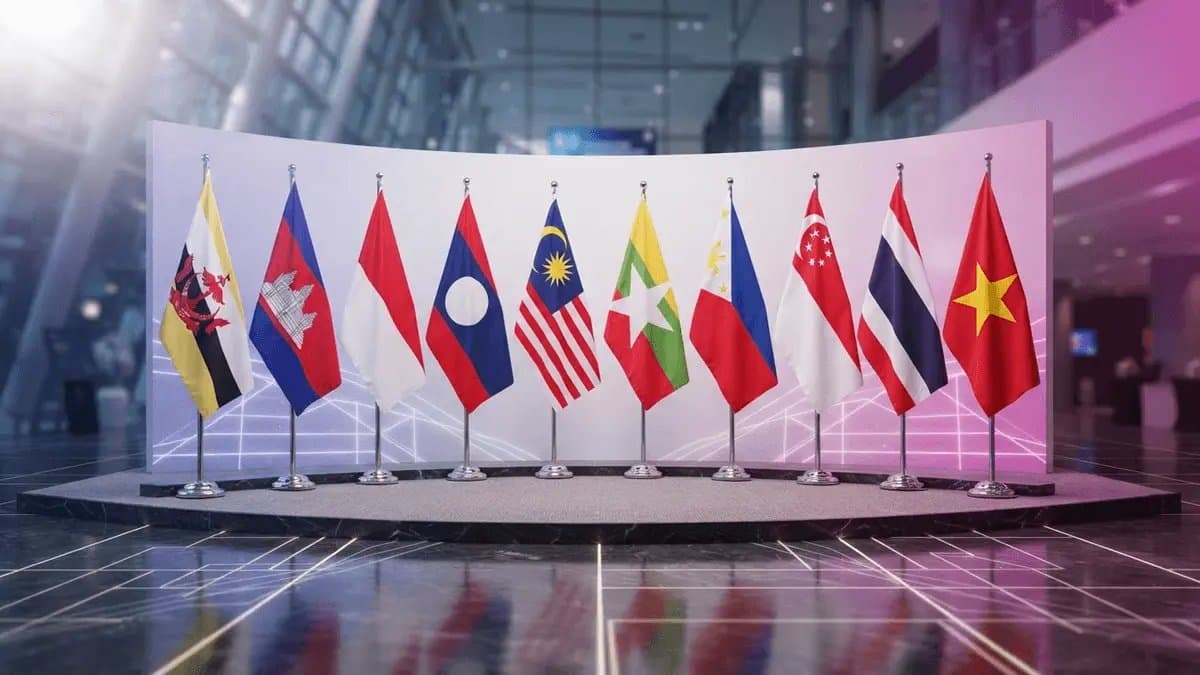
"It’s mostly a political issue," Changpeng Zhao, CEO of Binance, said while promoting a crypto license passport system at the ASEAN Tech Summit in Manila. His vision is clear: firms with a license in one ASEAN country shouldn’t have to reapply from scratch to operate elsewhere in the region. Instead, a streamlined approval would ease the burden for crypto businesses navigating Southeast Asia’s patchwork of rules.
Currently, each of the ASEAN member states runs its own digital asset licensing regime, creating a costly and complicated environment for crypto and stablecoin providers. Zhao argues that mutual license recognition could lower entry barriers, spur competition, and reduce costs for consumers. While regulators would still vet companies entering their markets, this approach would eliminate the need for full re-licensing in every country, which is both time-consuming and expensive.
Endorsing the idea alongside FinTech Alliance PH’s Lito Villanueva, CZ emphasized that the technology to implement a passport system already exists. The real challenge lies in getting nine politically distinct regulators to agree on common standards. Yet, Zhao insists that enabling more licensed platforms to compete regionally will boost service quality and innovation. The proposed system aims to unify the market without sacrificing local oversight.
This initiative could be transformative for ASEAN’s crypto ecosystem, aligning with broader digital economy efforts. It echoes similar conversations around regulatory streamlining seen in other sectors and regions. For instance, recent shifts in fintech and digital asset licensing globally point toward greater cooperation and less fragmentation. Binance's push may well set the stage for a more integrated crypto market in Southeast Asia.
This content is for informational purposes only and should not be considered financial advice.