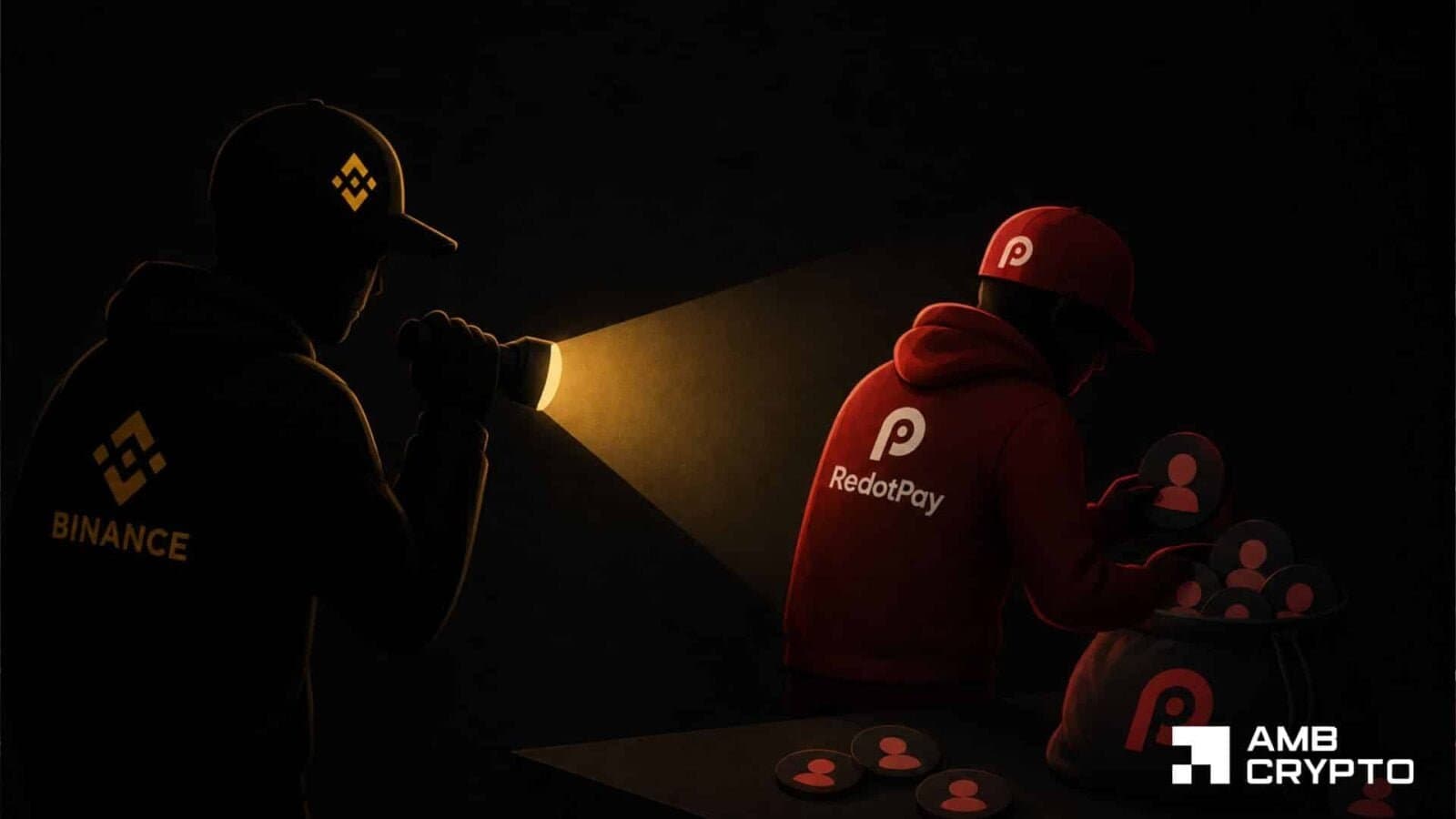
Binance filed suit against crypto card provider RedotPay this week, claiming the company poached more than 470,000 of its users in violation of their partnership agreement. The exchange is seeking $472.8 million in damages, according to Bloomberg.
At stake is far more than a contractual squabble between two payment processors. The case touches on a fundamental question: who actually owns customer relationships in crypto payments, and how do you keep a competitive market from turning into a customer-poaching free-for-all. RedotPay has denied wrongdoing and said it will contest the claims through the courts.
The money and the mechanics
The partnership that blew apart was supposed to work like this. Binance users could access certain RedotPay services, but funds were meant to stay segregated. That separation mattered. Crypto payment partnerships live or die on fund controls, especially as platforms chase expansion. RedotPay is hunting a $4 billion valuation, which means every operational safeguard gets scrutiny.
Then something changed. Binance Pay funds started flowing into RedotPay Cards to top up balances. That's the breach Binance is alleging. A related lawsuit against RedotPay affiliates is scheduled for a hearing on August 7th, and the dispute extends beyond Hong Kong.
How this shakes out will rewrite the playbook for future crypto payment partnerships. Customer access, payment flows, compliance responsibilities, how much control each side keeps. Everything gets codified based on what a judge decides about a 470,000-user diversion and $472.8 million in claimed losses.
Customers as the real prize
Crypto payments are maturing. Providers stopped competing on who moves the most coins fastest and started competing for long-term customer stickiness instead. RedotPay's alleged 470,000 redirected users represent exactly that kind of engagement, the kind of customer relationship that generates revenue across time, not just one transaction.
Binance argues those users generated material commercial value, which is why the number matters so much. It's not abstract harm. It's real customers, real engagement, real revenue streams moving between two platforms. That's what makes this a battle over customer ownership, not just a contract dispute.
This article is for information only and should not be construed as investment advice or a recommendation to buy or sell any asset.