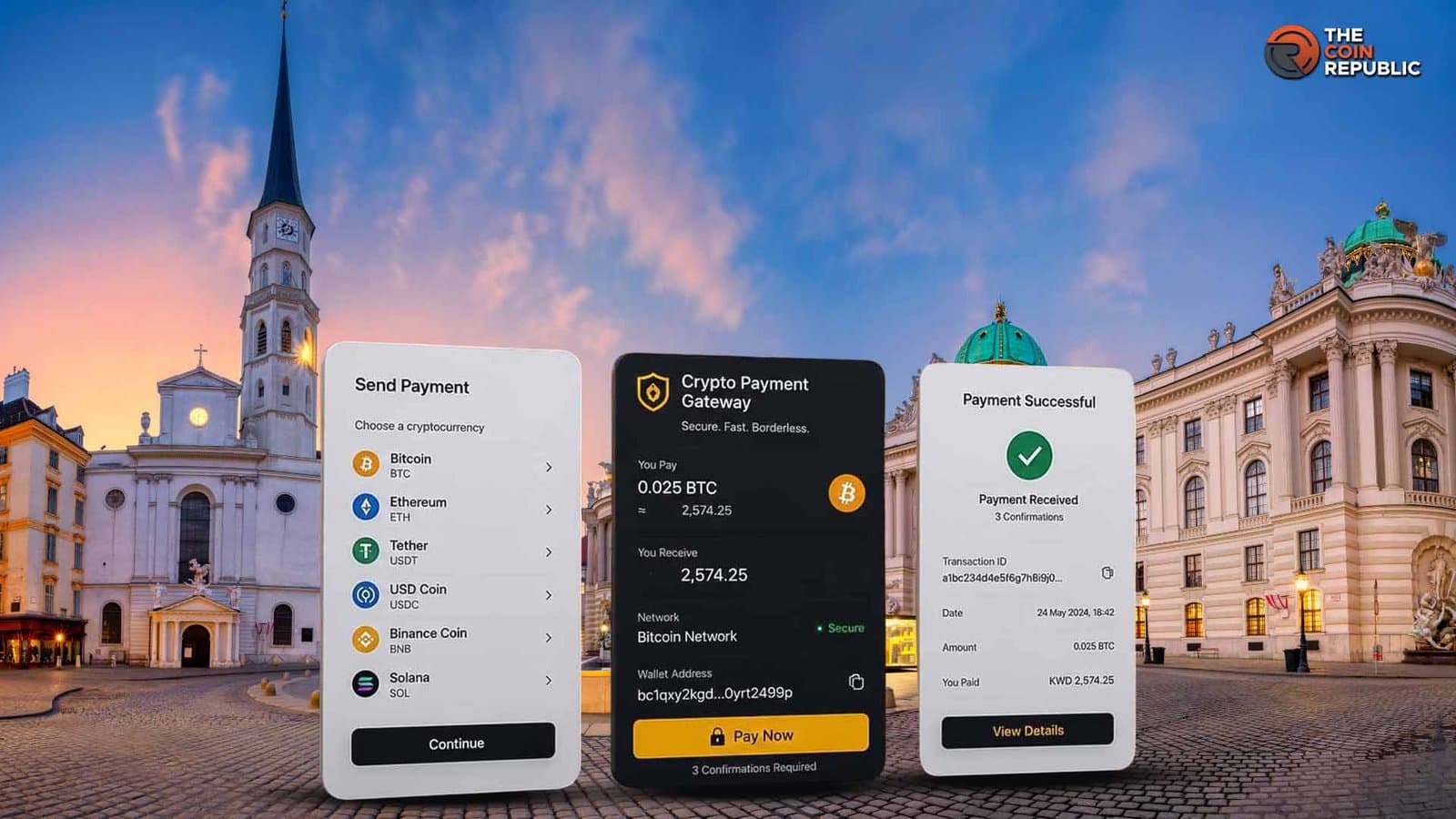
Austria has quietly become one of Europe's more crypto-forward economies, and businesses there are now picking from a growing list of payment gateways that handle everything from Bitcoin invoices to automatic EUR conversions. The EU's Markets in Crypto-Assets regulation, MiCA, gives merchants a clearer legal framework than most of the world can offer, which matters when you're deciding whether to wire up your checkout to a blockchain.
Crypto payments have spread well beyond tech startups. Austrian e-commerce shops, hotels, and retail stores are all experimenting with digital asset checkouts, often without their customers ever holding crypto long-term, because most modern gateways convert incoming payments to euros instantly. That removes exchange-rate headaches and keeps accounting straightforward.
Three gateways worth knowing in 2026
Ibex Mercado sits at the Bitcoin-native end of the spectrum. It processes Bitcoin and Lightning Network transactions, which means settlements arrive in seconds and fees stay low. International merchants like it. Austrian businesses considering Ibex should first confirm it aligns with MiCA requirements, since the platform wasn't built specifically for the EU market and compliance details need checking before going live.
Strike API takes a developer-first approach. It works exclusively with Bitcoin and the Lightning Network, letting teams build automated payment workflows directly into their apps via API. For Austria specifically, Strike offers SEPA integration, which bridges the gap between crypto rails and the everyday euro banking infrastructure that Austrian suppliers and employees still rely on. That combination is relatively rare.
GoURL is the lightweight option. It focuses on simple payment links and basic merchant integrations, nothing fancy, which is exactly what small businesses with uncomplicated checkout needs are looking for. The tradeoff is that merchants need to do their own due diligence on security and long-term support before committing, since GoURL doesn't carry the same institutional backing as larger processors.
The right choice depends almost entirely on transaction volume and technical capacity. A hotel group running hundreds of bookings a month has different needs than a boutique shop testing crypto for the first time. MiCA compliance isn't optional, it's the baseline, and any gateway operating in Austria should be evaluated against that standard before anything else.
This article is for informational purposes only and does not constitute financial or investment advice.