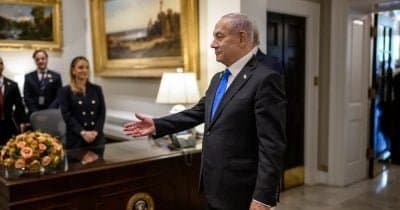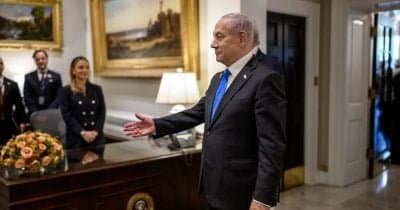
Israeli Prime Minister Benjamin Netanyahu recently highlighted a considerable decrease in Hezbollah's missile arsenal, claiming it has been reduced to about 7% to 8% of its pre-war levels. This reduction to an estimated 11,000 to 13,000 rockets marks a significant shift in the military capabilities of the group, especially in the context of the ongoing 2026 Lebanon War that escalated earlier this year. The war, which began with a Hezbollah offensive, has since seen Israel conducting airstrikes even after a ceasefire was announced in mid-April.
Netanyahu's assertion suggests a perceived weakening of Hezbollah, potentially altering the strategic landscape in the region. With their military threat reduced, the urgency for diplomatic resolutions might diminish. This has implications for both local and international actors observing the conflict. The reduced missile capacity implies that Hezbollah could be less inclined to engage in talks, knowing its tactical use has been weakened.
Market expectations reflect this sentiment. Current pricing for an Israel-Hezbollah diplomatic meeting by the end of July is at only 1.1% probability, showing low confidence in imminent discussions. Similarly, the odds of a permanent peace agreement being reached by the same time frame stand at just 1.4%. Such statistics indicate that the market believes any significant diplomatic breakthroughs are unlikely in the near future.
As the situation evolves, observers should closely monitor military and political developments between the two parties. Any positive indications, such as Hezbollah's acceptance of a ceasefire framework or increased international diplomatic interventions, could potentially shift current dynamics. Conversely, escalations in hostilities or negative rhetoric regarding negotiations would further diminish the likelihood of fruitful talks.
Key figures including regional leaders and international diplomats will be crucial in shaping future engagements. Their interventions could either facilitate peace efforts or exacerbate tensions if mismanaged. The nuanced interplay between military capabilities and diplomatic willingness may determine the trajectory of this conflict.
This article is for informational purposes only and is not intended as financial advice.