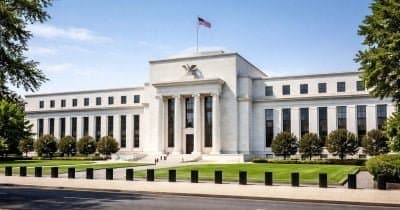
The United States holds more gold than any other country on earth, roughly 147.3 million ounces worth over $1 trillion at current spot prices. Treasury Secretary Scott Bessent confirmed as much during a recent Fox News appearance: "The U.S. has the largest pile of gold in the world, over a trillion dollars at current market value." Fort Knox, the Kentucky depository built in 1937, stores the bulk of it. The U.S. Mint puts the official statutory valuation closer to $608 billion, which is why you see two different numbers floating around in headlines.
The Fort Knox audit question had been simmering for months. Trump signaled interest in opening the vaults earlier this year, amplifying claims he and former DOGE chief Elon Musk had floated about gold possibly being stolen or misappropriated. No evidence of that ever surfaced. Bessent's confirmation was blunt: "The treasurer has been to Fort Knox. All gold is present and accounted for."
The gold is there. The dollar doesn't care.
Here's the friction at the center of the whole story. Bessent was also quick to remind viewers that gold and the dollar's value parted ways back in 1971, when Nixon ended the gold standard. The dollar has been a fiat currency for over five decades. Gold sitting in Kentucky does nothing to prop up exchange rates or shore up confidence in U.S. debt. The pile is real. Its monetary relevance, at least in the current system, is essentially symbolic.
That distinction matters because the dollar is losing ground in global reserves regardless. Its share of foreign exchange holdings has dropped from 71% in 1999 to 57% today, a 25-year low. Central banks are diversifying, and gold is one of the places they're going.
Allies, not adversaries, are leading the retreat
What makes analysts take notice isn't Russia or China reducing dollar exposure that's been happening for years and is easy to frame as geopolitical rivalry. What's different now is France. Between July 2025 and January 2026, France quietly repatriated all 129 tons of gold it had stored at the Federal Reserve Bank of New York, booking a $15 billion gain in the process. A NATO member. A longtime partner. Moving gold home.
EBC Financial Group analyst Sana Ur Rehman put it plainly: the shift is historically significant precisely because it's U.S. allies driving de-dollarization, not adversaries. That's a different kind of signal than sanctions-driven workarounds. It suggests something closer to a strategic reassessment of dollar dependency among countries that have no particular ideological reason to want the system to change.
- Dollar share of global FX reserves: down from 71% (1999) to 57% today
- France repatriated 129 tons of gold from New York between mid-2025 and early 2026
- U.S. gold holdings: 147.3 million ounces, $608 billion at statutory value, $1 trillion-plus at market price
Fort Knox is full. The question nobody in Washington has fully answered is what happens to dollar confidence if allies keep quietly rearranging where they park their reserves.
This article is for informational purposes only and does not constitute financial or investment advice.