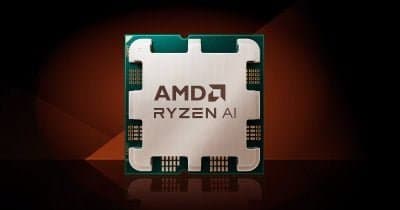
Foundation Robotics has chosen AMD’s Ryzen AI Embedded X100 Series processors to power the brains of its next-generation humanoid war robots. These machines are designed to handle battlefield tasks that would otherwise put soldiers at risk. The integration was announced on July 23, marking a clear step forward in robotics applied to military operations.
AMD's Role in Battlefield Robotics
The move revolves around AMD’s embedded processors, which Foundation Robotics says offer 2.5 times faster AI inference and triple the training speed compared to rival Nvidia chips. Unlike custom military chips, these are standard embedded processors adapted for high-performance AI workloads at the edge, specifically optimized for real-time robotic decision-making.
Foundation deployed its Phantom MK-1 humanoid robots for reconnaissance missions in Ukraine as early as February 2026. The upcoming MK-2 model will fully incorporate AMD hardware from the outset, promising improved capabilities tailored for combat scenarios. Backed by $24 million in contracts from the U.S. Department of Defense, Foundation plans to open a factory this October with an annual output capacity of 5,000 units. By early 2027, production capabilities are expected to rise to 50,000 units per year.
Co-founder Mike LeBlanc emphasizes a "moral imperative" to replace human soldiers with machines in war zones, highlighting the ethical dimension behind this technology push.
Though AMD’s overall revenue runs in the tens of billions annually, this deal is considered more of a strategic public relations boost than a significant financial driver. The AI hardware race is extending beyond cloud data centers into physical devices where speed, energy use, and local processing are critical. The planned factory launch in October stands as a milestone to watch in this evolving space.