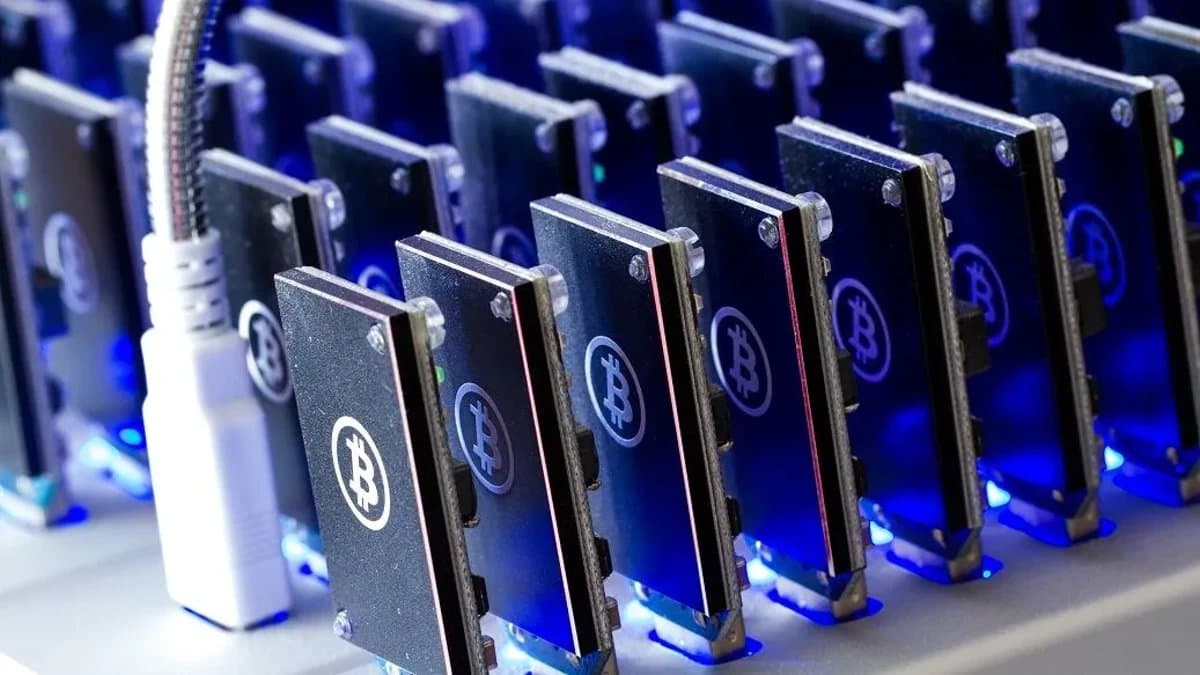
Several African nations are considering state-backed Bitcoin mining projects to tap into excess energy resources and create strategic crypto reserves. This interest follows Kazakhstan’s recent implementation of a system where industrial miners allocate a portion of their mined Bitcoin to a national cryptocurrency fund.
Mining as a National Strategy for Energy and Assets
Across Africa, countries rich in hydroelectric, geothermal, and natural gas resources face challenges in fully utilizing these power sources due to infrastructure limitations and weak local demand. Instead of letting this surplus energy go to waste, governments see Bitcoin mining as a practical solution to turn it into valuable digital assets. This approach presents opportunities to boost revenues, diversify national reserves beyond traditional commodities, and attract infrastructure investments.
Kazakhstan’s government recently enacted Resolution No. 638, granting industrial Bitcoin miners guaranteed electricity at regulated rates for ten years. In return, miners commit 10% of their net mined coins to the Astana Hub cluster fund. These assets will be managed by the National Investment Corporation under the National Bank of Kazakhstan to build a National Strategic Crypto Reserve. The policy requires miners to meet strict standards including a minimum 150 MW capacity, high-efficiency equipment, and full regulatory compliance, tightly integrating mining operations with state reserve goals.
According to industry sources, several African governments are analyzing similar frameworks to use their unused energy. This trend sees mining as a government tool rather than a solely commercial operation, mirroring shifts observed in nations like Kazakhstan and Bhutan, which have accumulated considerable sovereign Bitcoin reserves through public-sector mining.