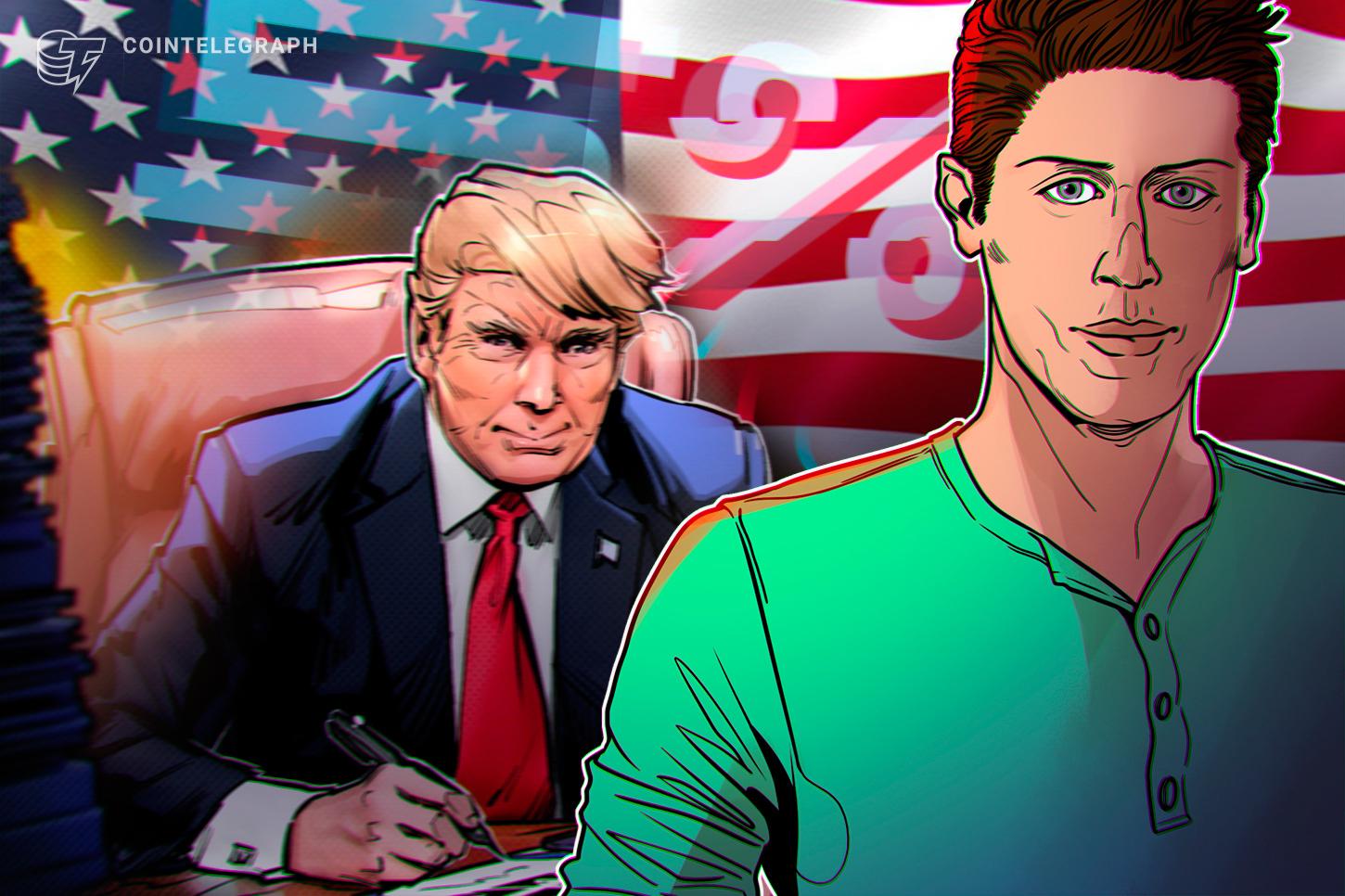
A 5% Slice of OpenAI for Washington: What It Really Signals for AI and Investors
OpenAI has reportedly discussed offering the US government a 5% equity stake amid early Trump administration AI oversight talks. We break down why this matters far beyond the headline — and what it means for markets, investors, and the future of AI governance.
The news that OpenAI has reportedly discussed offering the US government a 5% equity stake is far more than a headline about corporate negotiations — it is a potential inflection point in how artificial intelligence will be governed, valued, and regulated in the years ahead. According to the Financial Times, these conversations took place during early talks with the Trump administration, at a moment when Washington is actively tightening its oversight of AI models. The timing and the nature of the proposal deserve careful unpacking.
First, consider what a government equity stake actually means in practice. This would not be a traditional regulatory arrangement, where a federal agency sets rules from the outside. Instead, it would make the US government a direct financial stakeholder in one of the world's most strategically important AI companies. That distinction matters enormously. A shareholder — even a minority one holding 5% — has structural access to financial disclosures, governance conversations, and strategic direction in ways that a regulator simply does not. For OpenAI, which is currently navigating a complex transition from a nonprofit structure toward a for-profit model, inviting the government in as a stakeholder could smooth that path politically while simultaneously creating new dependencies.
Second, the context of the Trump administration's early positioning on AI oversight is critical. Washington's move to tighten scrutiny of AI models reflects growing bipartisan anxiety about national security, data sovereignty, and the pace at which frontier AI systems are being deployed. By proactively offering a stake rather than waiting for regulatory pressure, OpenAI's leadership — with CEO Sam Altman at the helm — appears to be playing an anticipatory game: shaping the terms of government involvement before those terms are imposed unilaterally.
For investors and market participants, the implications are layered. On one hand, a formal government relationship could serve as a powerful legitimacy signal, potentially accelerating enterprise adoption of OpenAI's products across federal agencies and defence-adjacent sectors. On the other hand, it introduces a new class of risk: political risk. A company with the US government as a shareholder becomes exposed to shifts in administration priorities, foreign policy considerations, and congressional scrutiny in ways that purely private companies are not.
There is also a broader market signal here. If this model — equity stakes for government oversight — gains traction, it could set a precedent for how other frontier AI labs negotiate their regulatory futures. Competitors such as Anthropic, Google DeepMind, and Meta's AI division will be watching closely. The question is whether this becomes an industry template or remains an OpenAI-specific arrangement born of its unique nonprofit-to-profit transition story.
For crypto and digital asset markets, the relevance is indirect but real. Increased government entanglement in leading AI infrastructure reinforces a narrative that decentralised, permissionless systems — including blockchain networks — occupy a distinct and increasingly valued niche precisely because they resist this kind of sovereign capture. As AI centralisation deepens, the philosophical and practical case for decentralised alternatives strengthens in the eyes of many investors allocating across the technology spectrum.
Ultimately, what OpenAI is weighing is not just a financial transaction — it is a strategic bet that co-opting government interest early is less costly than confronting adversarial regulation later. Whether that bet pays off will depend heavily on how the Trump administration chooses to exercise any influence that comes with a 5% stake, and whether the arrangement survives the inevitable political scrutiny that will follow its public disclosure.
More Stories

When Holding Crypto Gets You Kidnapped: What France's Crisis Signals for Investors
Delayed Disclosure of Strategy Stock by FBI Chief: What It Signals for Crypto Oversight
From Tokyo to the Global Top 3: What Metaplanet's BTC Surge Signals for Corporate Crypto Strategy