The 30-year US Treasury yield jumped to 5.20% following the Federal Reserve's decision to hold interest rates steady. This marks the highest borrowing cost for the government since 2007, signaling rising concerns among bond traders about long-term inflation and future rate hikes.
The Federal Open Market Committee kept its rate range at 3.50% to 3.75% with a 9-3 vote, as three Fed officials pushed for an immediate rate increase. Their dissent shows growing tension within the Fed about the path forward. While short-term yields like the two-year note slipped to 4.22%, the 30-year yield rose sharply, reflecting traders’ worries about the economic outlook decades ahead rather than just the near term.
What the Yield Spike Means for Borrowing Costs and the Economy
A rise in bond yields means higher borrowing expenses not only for the government but eventually for consumers and businesses too. The US government's interest payments are soaring, with the debt servicing bill hitting $857 billion over nine months a 13% jump from last year. This surge inflates the federal budget pressures and could slow economic growth if it translates to higher loan rates.
The last time the 30-year yield hovered at a similar level was mid-2007, just before the Fed began cutting rates in response to emerging recession risks. Today, the scenario reverses: the long-term yield stands about 1.45 percentage points above the Fed's policy rate, sending a strong signal that markets expect inflation pressures to persist or rate hikes to return sooner than the Fed's current stance suggests.
Fed Dissent Points to Potential Shifts Ahead
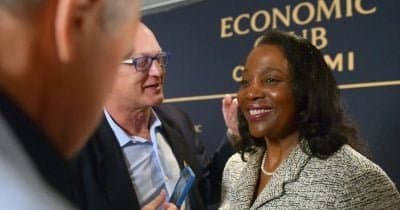
Long-standing rate hikes paused since July 2023 now face pressure from within. The three dissenting officials Beth Hammack, Neel Kashkari, and Lorie Logan support a quarter-point increase, hinting at worries that waiting too long could let inflation spiral. Such divisions are rare but not unprecedented; the last similar occurrence was in September 2016.
Fed Chair Kevin Warsh defended the pause, emphasizing the 2% inflation target, but the bond market’s reaction reflects less certainty. As yields climb away from the Fed’s rate, stakeholders from investors to policymakers will need to watch closely how this tug-of-war unfolds amid global uncertainties.
This content is for informational purposes and does not constitute financial advice.