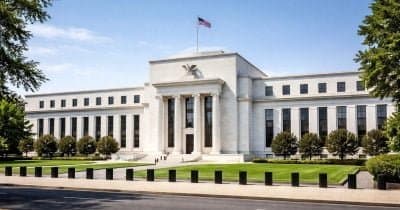
The yield on the 30-year U.S. Treasury bond surged to 5.24% as investors reacted sharply to the Federal Reserve's decision to keep interest rates unchanged. The move, which saw a narrow split among Fed officials including three dissenters advocating for a hike, has intensified the ongoing selloff in long-term government debt.
Yields on these bonds had already been rising through July, moving from around 5.05% to just over 5.1%, before this latest jump signaled growing concerns about inflation and the real cost of holding debt over decades. Market participants interpret the increase as a demand for greater compensation against inflation risks that might not be fully addressed by the Fed’s pause.
Investor Sentiment and Next Steps
According to analysts, the bond market's reaction suggests some doubt about the Fed’s strategy, viewing the hold as a potential policy misstep. The internal dissent within the Fed only adds to the uncertainty. Investors will be watching upcoming Fed statements and economic reports closely, especially inflation and employment figures, to gauge if a future rate hike might still be on the horizon.
This pressure on long-term yields reflects a steepening Treasury curve, often a signal that markets expect higher inflation or looser monetary policy down the line. The outcome will have broad implications for borrowing costs, mortgage rates, and financial markets overall.
This content is for informational purposes and does not constitute financial advice.