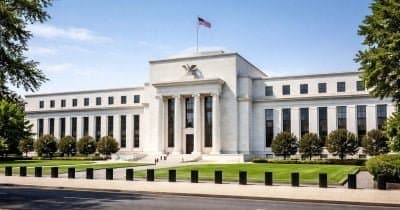
The yield on the 10-year U.S. Treasury note climbed to 4.7%, reaching its highest mark during President Donald Trump’s second term. This surge reflects ongoing shifts in the financial landscape throughout 2026, fueled by rising oil prices and changing expectations around inflation. Investors are increasingly wary as long-term borrowing costs stretch well beyond the Federal Reserve’s current benchmark rate, which stands between 3.5% and 3.75%.
Federal Reserve's Next Moves Under Scrutiny
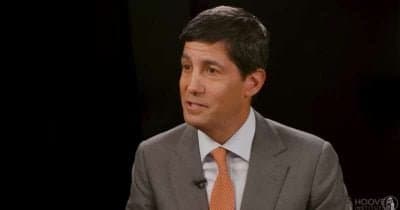
Market watchers are paying close attention to how these movements will affect the Federal Reserve’s interest rate decisions in the upcoming months. The gap between short-term and long-term yields signals growing concerns about inflation, which might push the Fed toward a more hawkish approach. The Federal Reserve’s next policy meeting is set for July 28, with all eyes on Chairman Kevin Warsh’s comments, especially any hints about future rate hikes or inflation risks. July's consumer price index (CPI) data and other economic reports will be critical in shaping these expectations.
As the September 16 meeting approaches, any significant inflation or employment shifts could sway the Fed away from pausing rate changes, increasing the chances of tighter monetary policy. This dynamic is already unsettling markets and could influence borrowing costs for consumers and businesses alike.